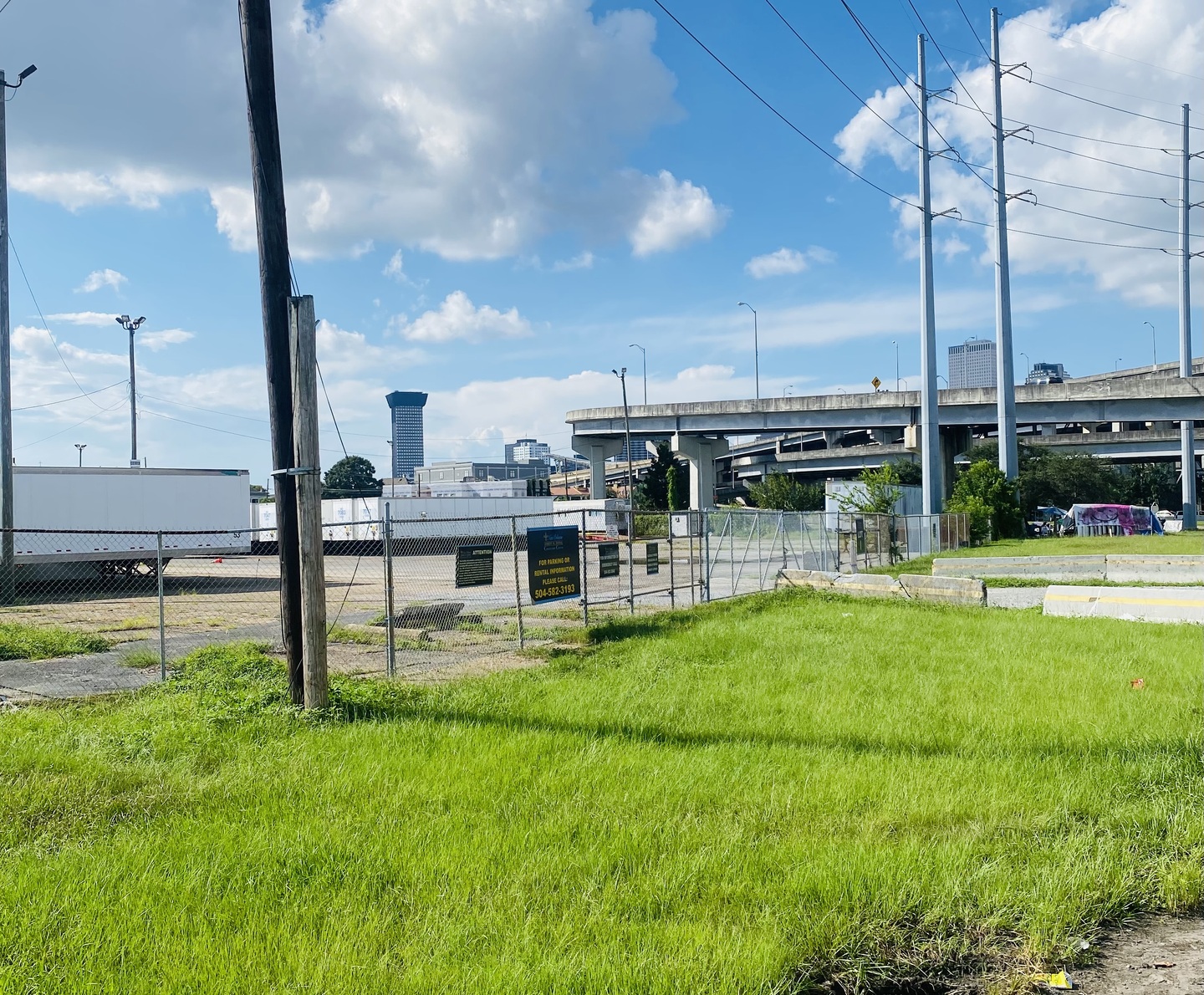
<?xml version="1.0" encoding="UTF-8"?>
<feed xmlns="http://www.w3.org/2005/Atom">
  <title type="text">Acadiana Historical</title>
  <updated>2026-10-11T20:32:02+00:00</updated>
  <generator uri="http://framework.zend.com" version="1.12.20">Zend_Feed_Writer</generator>
  <link rel="alternate" type="text/html" href="https://mail.acadianahistorical.org/"/>
  <link rel="self" type="application/atom+xml" href="https://mail.acadianahistorical.org/items/browse?output=rss2"/>
  <id>https://mail.acadianahistorical.org/</id>
  <author>
    <name>Acadiana Historical</name>
    <uri>https://mail.acadianahistorical.org</uri>
  </author>
  <link rel="hub" href="https://pubsubhubbub.appspot.com/"/>
  <entry>
    <title type="html"><![CDATA[Site 8: Screwmen&#039;s Hall — The Association&#039;s Institutional Home: Where It All Happened]]></title>
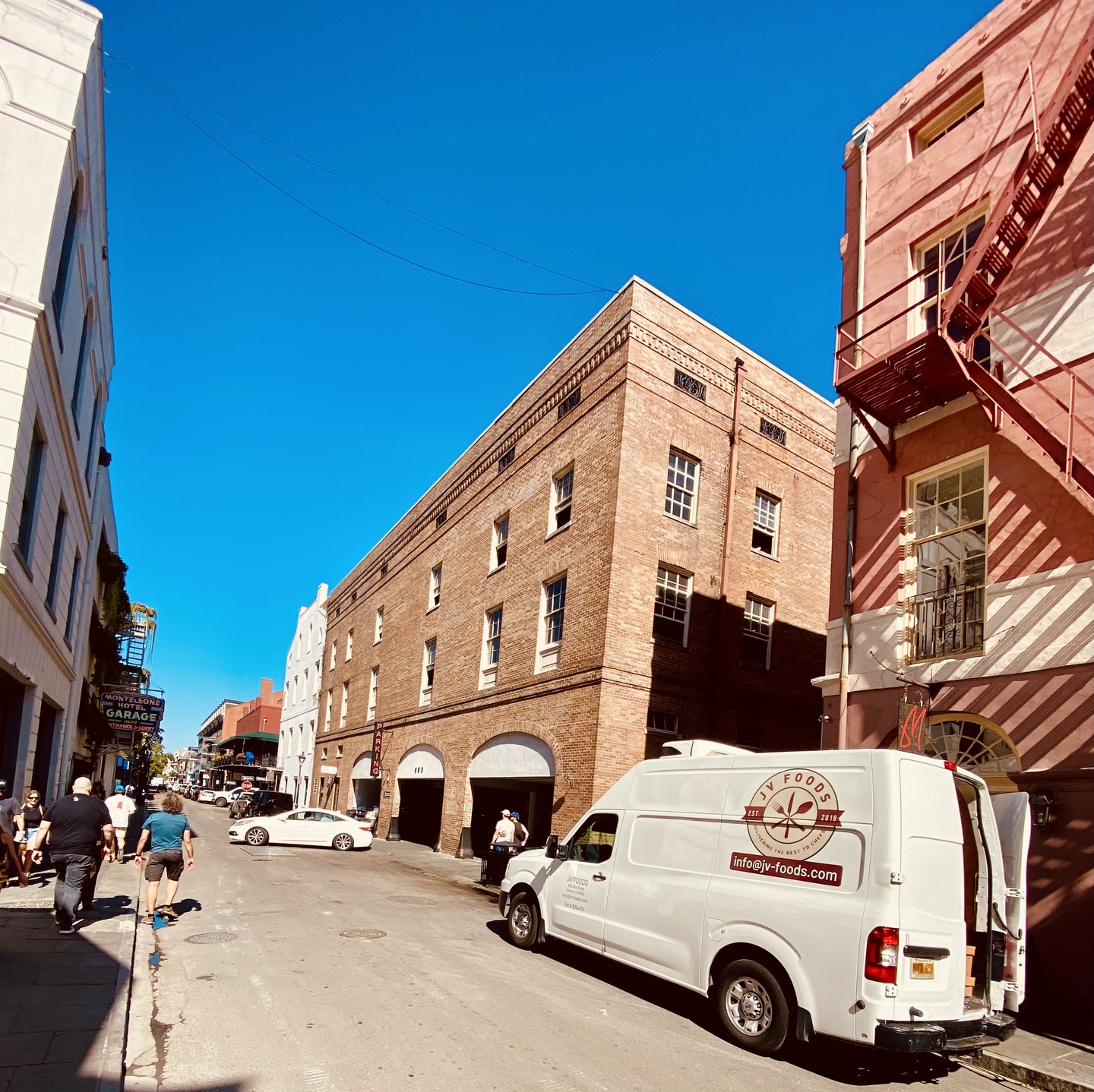
    <summary type="html"><![CDATA[<p><strong><em>It was the heart of where members debated the issues surrounding their trade. It was a place to get information, cast votes, and make plans. </em></strong></p><img src="https://mail.acadianahistorical.org/files/fullsize/95ff8ccd615041bd2f260fa2fe7859d3.jpg" alt="Now For Parking" /><br/><p>The location of the  Screwmen's Benevolent Association's meeting hall changed a few times over the decades. Contemporary newspapers made references to areas instead of specific addresses. Because the readers knew the layout of the city, a general reference to where a building was located often sufficed. The only concrete location I could find is on a Sanborn Fire Insurance map from 1876. </p><p>At this site the Screwmen’s Benevolent Association members gathered to discuss wages, working conditions, and disputes with employers along the New Orleans waterfront. Meetings likely also included the everyday business of the society, from collecting dues and assisting sick or injured members to providing financial support for widows and families of deceased screwmen.</p><p>The meeting hall was located at the corner of Exchange Place and Bienville. The map shows that the three-and-a-half story meeting hall was a brick building with wooden frame construction on the two outer walls, indicating that there was a porch surrounding sides of the building facing both Exchange Place and Bienville Streets. </p><p>In 1929 the Monteleone Hotel bought the building from the Screwmen’s Benevolent Association for $21,000.  The Monteleone family tore the building down. The hotel still owns this corner of the landscape. They constructed a parking garage where the Screwmen's Benevolent Association meeting hall once stood.</p><p><em><strong><a href="https://mail.acadianahistorical.org/items/show/189">For more (including 3 images) view the original article</a></strong></em></p>]]></summary>
    <published>2022-11-26T04:01:09+00:00</published>
    <updated>2026-10-11T20:32:02+00:00</updated>
    <link rel="alternate" type="text/html" href="https://mail.acadianahistorical.org/items/show/189"/>
    <id>https://mail.acadianahistorical.org/items/show/189</id>
    <author>
      <name>Laura M. Hughes</name>
    </author>
  </entry>
  <entry>
    <title type="html"><![CDATA[Site 5: Louisiana Hose House — Responding to the 1865 Strike: A House for Hoses and for Meetings Too]]></title>
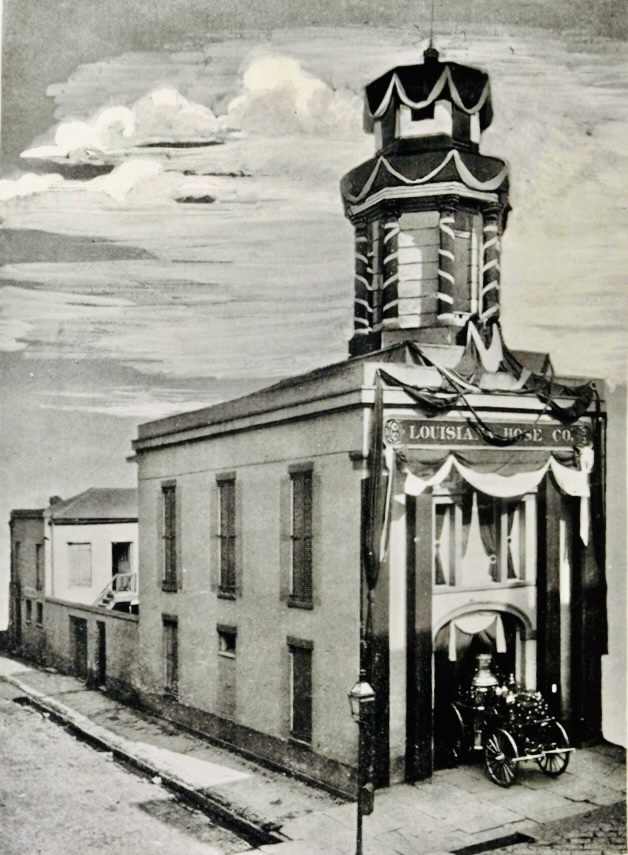
    <summary type="html"><![CDATA[<p><strong><em>A labor strike during Christmas of 1865 threw all port trades into turmoil and impacted the cotton industry tremendously. Shipmasters and stevedores met at the Louisiana Hose House to discuss the screwmen's demands.</em></strong></p><img src="https://mail.acadianahistorical.org/files/fullsize/a9e087191e33a6cc857f51d5be6b627c.jpg" alt="The Original Hose House" /><br/><p>The Louisiana Hose House was located on the corner of Carondelet and Perdido Streets. It was a large, two-story brick fire station with a composition roof and wooden construction around the back. The façade of the Louisiana Hose Company featured an elliptical arch entrance for the station’s steam fire engine. A beautiful, columned octagonal cupola surmounted the fire house. The Louisiana Hose Company shared a wall with a wagon repository. </p><p>In December 1865, a meeting at the Louisiana Hose House, at the corner of Carondelet and Perdido Streets, brought together shipmasters and stevedores frustrated by a strike of New Orleans screwmen. The screwmen, who compressed cotton into ships’ holds, had walked off the job demanding higher wages. Shipmasters complained that the demands were excessive, while stevedores argued that the workers had given no warning, leaving them unable to fulfill shipping contracts negotiated at the old wage rates.
The screwmen saw things differently. Unpredictable employment often left them working only two or three days a week, even during their busiest season. Higher wages, they argued, were a necessity. The meeting at the Hose House revealed a growing conflict between waterfront workers and their employers, one that would shape labor relations along the New Orleans waterfront for decades.</p><p>The dispute at the Louisiana Hose House reflected a conflict that remains familiar today. Employers worried about rising labor costs and disrupted business, while workers struggled with unpredictable hours and wages that made earning a living difficult. More than 160 years later, the same questions persist: What constitutes a fair wage, who bears the burden of economic uncertainty, and how much power should workers have in determining the conditions of their employment?
The three blocks across the street housed numerous cotton businesses, a testament to the importance of the cotton trade in New Orleans. Hotels, boarding houses, repair shops, office buildings, Wells Fargo, and the Louisiana State Lottery buildings were a part of the neighborhood. </p><p>Today, the area houses as much a variety of businesses as it did 175 years ago. The streets are no longer cobbled as they were in the 19th century. The landscape has changed from the bottom up; modern paved roads surround the foundations for a variety of buildings. The beautifully engineered Louisiana Hose House is no longer there. It its place is the Hancock Whitney Center, home to the Whitney Hancock bank and financial center.</p><p><em><strong><a href="https://mail.acadianahistorical.org/items/show/188">For more (including 5 images) view the original article</a></strong></em></p>]]></summary>
    <published>2022-11-26T03:19:47+00:00</published>
    <updated>2026-10-11T20:31:46+00:00</updated>
    <link rel="alternate" type="text/html" href="https://mail.acadianahistorical.org/items/show/188"/>
    <id>https://mail.acadianahistorical.org/items/show/188</id>
    <author>
      <name>Laura M. Hughes</name>
    </author>
  </entry>
  <entry>
    <title type="html"><![CDATA[Site 2: Screwmen&#039;s Armory — The Screwmen Go to War: The Present Disturbed State of the Country]]></title>
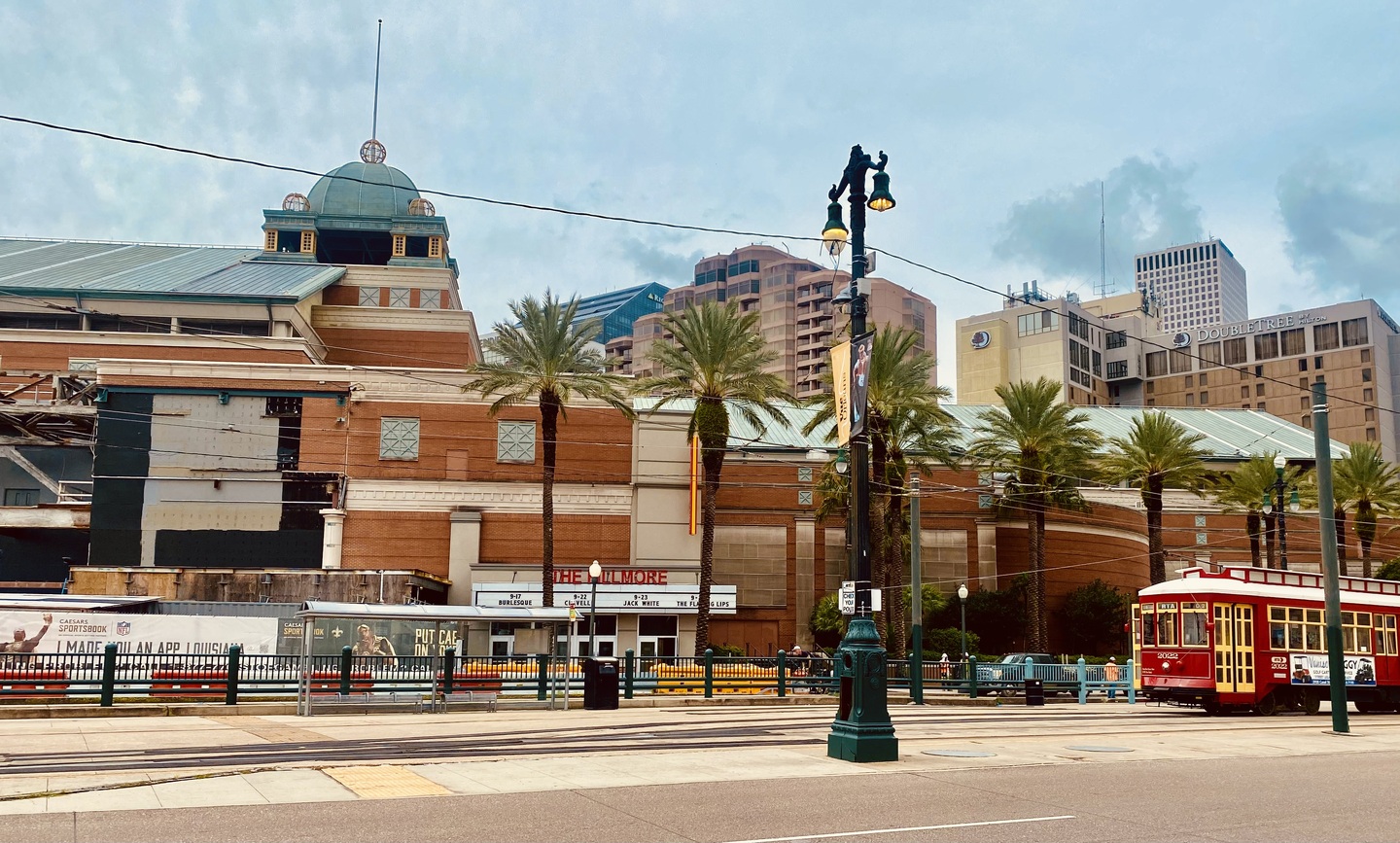
    <summary type="html"><![CDATA[<p><strong><em>Young men filed in and out of the building at 14 Canal Street. Some stood around outside and discussed the latest news of the war or compared enlistment details.</em></strong></p><img src="https://mail.acadianahistorical.org/files/fullsize/b7d92e04d2f9ca99c7bd32d2c481ef14.jpg" alt="No Longer There" /><br/><p>It's not difficult to picture- young men milling outside along the streets. Everyone would want to know which regiment and company their friends and neighbors were assigned to, where training will take place, and who their officers are. Today, many of these details might be shared by text message or social media post. But during the outset of the Civil War, word-of-mouth or letters would inform friends and family members of one's assignment.</p><p>Before the Civil War, an armory stood at 14 Canal Street, a site connected to both New Orleans’ screwmen and the city's military history.</p><p>The building housed the Cook and Brother Confederate Armory, established by two English brothers who manufactured Enfield-style rifles and bayonets for the Confederacy. The operation was short-lived, relocating to Athens, Georgia, in 1862.</p><p>During the Civil War, members of the Screwmen’s Guard, a military company associated with the city's waterfront workers, gathered here to discuss their deployment into Confederate service. Decades later, in 1898, the armory served as a recruiting center for volunteers during the Spanish-American War.</p><p>Today, the original building is gone, and no known photographs survive. The surrounding area has changed dramatically, leaving little to suggest the site's military past.</p><p>Although nothing remains of the armory itself, this stretch of Canal Street once played a role in two American wars and in the history of the screwmen who worked along New Orleans’ busy waterfront.</p><p><em><strong><a href="https://mail.acadianahistorical.org/items/show/187">For more (including 4 images) view the original article</a></strong></em></p>]]></summary>
    <published>2022-11-26T03:17:06+00:00</published>
    <updated>2026-10-11T20:31:31+00:00</updated>
    <link rel="alternate" type="text/html" href="https://mail.acadianahistorical.org/items/show/187"/>
    <id>https://mail.acadianahistorical.org/items/show/187</id>
    <author>
      <name>Laura M. Hughes</name>
    </author>
  </entry>
  <entry>
    <title type="html"><![CDATA[Site 4: Tchoupitoulas and Thalia — A Neighborhood Unites: Port Workers Unite on Tchoupitoulas and Thalia Streets]]></title>
    <summary type="html"><![CDATA[<p><strong><em>On December 23, 1865, 600 longshoremen met at the corner of Tchoupitoulas and Thalia Streets to protest working conditions and discuss a wage increase.</em></strong></p><img src="https://mail.acadianahistorical.org/files/fullsize/861a3dd2343cc4b511482f73a96b3adf.jpg" alt="They Once Intersected" /><br/><p>On December 23, 1865, just two days after Black and White Screwmen put down their screws and enjoined in dockside protest against working conditions and wages, 600 longshoremen met on corner of Tchoupitoulas and Thalia Streets. Their goal was to unify and further their protest of working conditions and to demand a wage increase. Most of these port workers lived in this neighborhood, and as the neighborhoods in New Orleans had a strong sense of community, it made sense that they would gather where they lived.</p><p>The intersection where 600 waterfront workers once gathered has disappeared beneath a transformed landscape of highways and parking lots. Today, people experiencing homelessness seek shelter on the same ground where Black and White laborers once stood together demanding better lives. The people and circumstances have changed, but the questions of economics, opportunity, and human dignity remain.</p><p>Thalia and Tchoupitoulas Streets no longer intersect. Thalia Street diverts to the left and ends as a parking lot behind a series of small businesses. Today’s road system is more complicated, with multiple interchanges, grade separations, and green spaces where Thalia Street used to meet with Tchoupitoulas Street. It is impossible to imagine 600 dockworkers flooding through the grid-like streets at Christmas of 1865 to organize a labor strike.</p><p><em><strong><a href="https://mail.acadianahistorical.org/items/show/186">For more (including 5 images) view the original article</a></strong></em></p>]]></summary>
    <published>2022-11-26T02:23:32+00:00</published>
    <updated>2026-10-11T20:31:15+00:00</updated>
    <link rel="alternate" type="text/html" href="https://mail.acadianahistorical.org/items/show/186"/>
    <id>https://mail.acadianahistorical.org/items/show/186</id>
    <author>
      <name>Laura M. Hughes</name>
    </author>
  </entry>
  <entry>
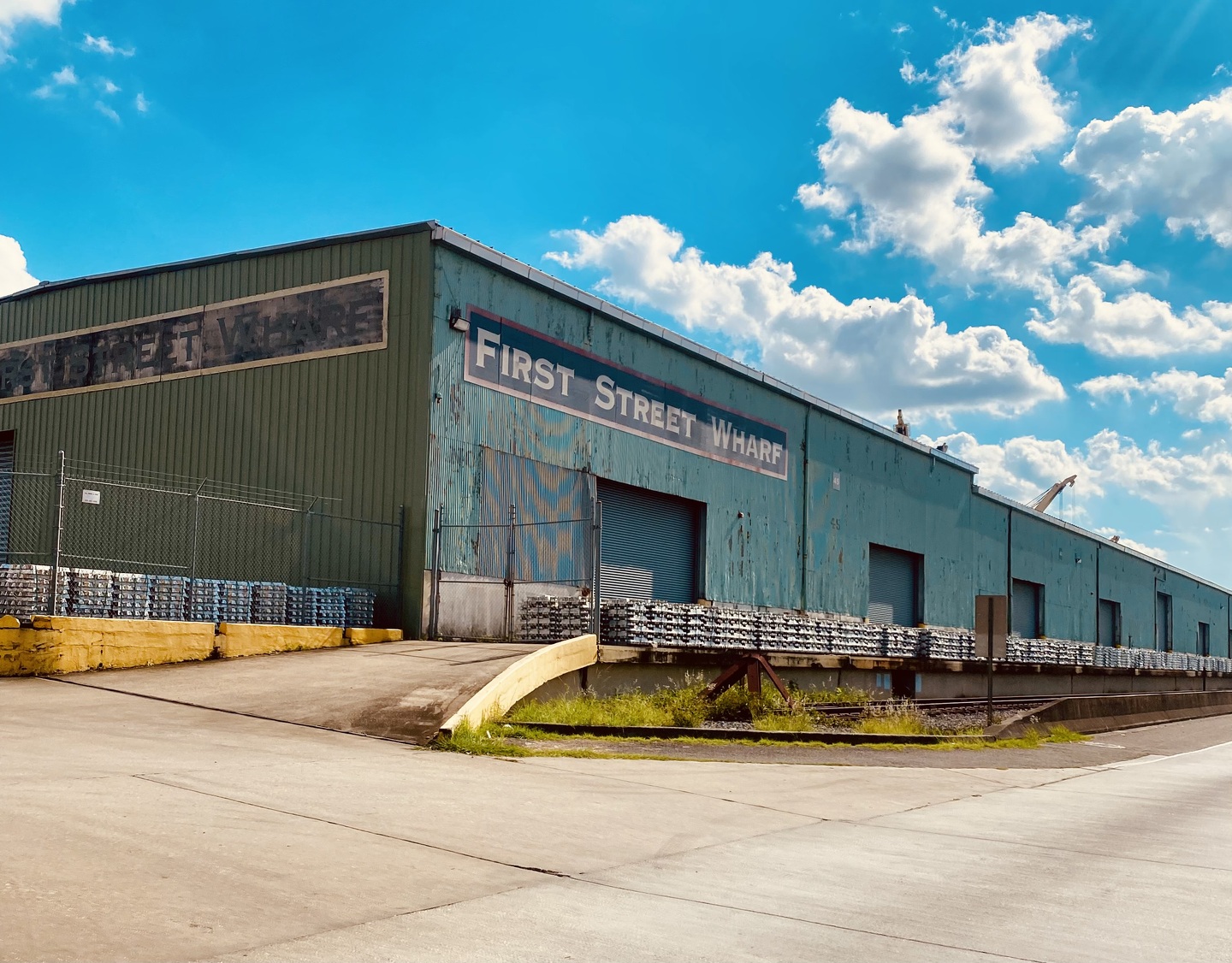
    <title type="html"><![CDATA[Site 7: First to Third Streets — The 1894 Waterfront Riot: Murder Comes to the Levee]]></title>
    <summary type="html"><![CDATA[<p><strong><em>Gun smoke mingled with steam rising from smokestacks of British ships docked along the levee. Rifle shots replaced the usual sounds of the port. The rattling of carts and longshoremen singing shanteys to lighten the tedious nature of the day's work went silent. In their place were the screams of victims who tried to escape the onslaught.</em></strong></p><img src="https://mail.acadianahistorical.org/files/fullsize/1bc72113152abd1862c74cd922cf57dc.jpg" alt="Where It All Happened" /><br/><p>Imagine being so fearful for your life that your only chance to save yourself is to jump into a powerful river--even though you can't swim.</p><p>Despite the vandalism experienced on October 26, 1894, agents expected Black screwmen to continue loading cotton with borrowed tools. Although shipping bosses appealed to Mayor John Fitzgerald and the chief of police to provide protection, only 10 men showed up to work. The rest stayed away due to the large number of White screwmen lurking in the vicinity. The few Black men who decided to resume working would regret it. </p><p>Around 2:30 on the afternoon of October 27, members of the Screwmen's Benevolent Association, armed with Winchester rifles and stones, initiated a violent attack on the Black screwmen who gathered on the quay. The White screwmen made no effort to conceal their crimes. They fired more than 100 rounds while the policemen stood "idly by, like interested spectators."</p><p>Reports claim that the mob, "swooped down on the negroes with imprecations on thier lips and the desire for blood in their hearts." There was a large, open space at the head of First Street where the <i>Delano </i>was docked. It was in this area where the Black screwmen rushed off the ship and tried to find safety. Reporters from the <i>Times Picayune </i>describe them being "followed by a howling mob, who were indiscriminately shooting in all directions." </p><p>Men had no other choice but to dive off the deck of the ship, drowning in the rushing waters below. Randolph Blackwell was shot in the leg, arm, and thigh. Andrew Holmes, a Black man, 40 years of age, attempted to flee from the scene "at a good run" when White screwmen "emtied their pistols at him." </p><p>It is unknown how many Black screwmen jumped overboard and drowned. The newspaper stated that, "We won't know until the [river] gives up its dead."</p><p><em><strong><a href="https://mail.acadianahistorical.org/items/show/185">For more (including 7 images) view the original article</a></strong></em></p>]]></summary>
    <published>2022-11-10T01:05:18+00:00</published>
    <updated>2026-10-11T20:30:56+00:00</updated>
    <link rel="alternate" type="text/html" href="https://mail.acadianahistorical.org/items/show/185"/>
    <id>https://mail.acadianahistorical.org/items/show/185</id>
    <author>
      <name>Laura M. Hughes</name>
    </author>
  </entry>
  <entry>
    <title type="html"><![CDATA[Site 6: Second to Seventh Streets — The 1894 Attack on Black Screwmen&#039;s Tools: Masked Men Raid Ships]]></title>
    <summary type="html"><![CDATA[<p><strong><em>On October 26, 1894, 200 men gathered under the cover of night and descended on the port in New Orleans. Some wore handkerchiefs to obscure their faces. Others wore false beards and masks. Armed with Winchester rifles, they overpowered the watchmen who guarded the ships docked at the riverfront between Seventh and Second Streets.</em></strong></p><img src="https://mail.acadianahistorical.org/files/fullsize/6e1aa6400cc676ea325a2f822398bade.jpg" alt="Steamship Imperial" /><br/><p>It was relatively easy for members of the Screwmen's Benevolent Association to gain the monopoly on their trade. They were, after all, truly indispensable. After the end of the Civil War, however, it became much harder for them to remain at the top. They now had competition from Black screwmen, a group comprised of freedmen and free men of color. The fight reached a fever pitch in October 1894 when stevedores had no choice but to employ Black screwmen because there were not enough White screwmen to fulfill contracts with the shipmasters. Little did anyone know that after the raid on these ships, the violence would only get worse.</p><p>White screwmen swiftly and quietly overpowered the watchmen stationed in front of the <i>Constance, </i>a steamship moored at the head of Seventh Street. While they held the watchmen at gunpoint, the rest of the men boarded the ship and threw overboard every tool that the Black screwmen needed to do their work, including ninety-six screwjacks. The 170-pound screw jacks were the Black screwmen’s guarantee that they could provide for their families. The screw jack represented food on their children's plates and a roof over their heads. As their tools disappeared beneath the dark, muddy waters, so did their relative financial security. </p><p>As White screwmen raided the <i>Constance, </i>more men boarded the <i>Oceanian</i>, docked at the head of Sixth Street, the <i>Castledale</i>, docked at the head of Fifth Street, the <i>Lord Erne, </i>docked at the head of Third Street, and the <i>Delano</i>, docked at the head of First Street. Members of the Screwmen's Benevolent Association conducted a very calculated and coordinated attack on the livelihoods of Black screwmen. </p><p>Every square inch of New Orleans is steeped in history, even spaces that aren't officially recognized as historic areas. This is especially true of the stretch of land along the riverfront.</p><p>The drive down Tchoupitoulas along the Mississippi isn't particularly breathtaking. In fact, it's anything but. Unlike the Garden District, no mansions resembling tiered, frosted wedding cakes peak out from behind splendid oak trees, hibiscuses, or bougainvillea. No brightly colored shotgun houses with gingerbread house-styled woodwork brighten up the morning commute.</p><p>Instead, a long, grey weather-worn floodwall blocks all views of the Mississippi River. What's on the other side of the wall isn't visually stimulating either. Industrial warehouses and acres of shipping containers are hardly a feast for the eyes. But in this case, it's not the physical that is valuable. Knowing what happened beyond the wall has intrinsic value and provides a tangible connection with our history. The stories that emerge contribute to our broader understanding of our shared past.</p><p><em><strong><a href="https://mail.acadianahistorical.org/items/show/184">For more (including 12 images) view the original article</a></strong></em></p>]]></summary>
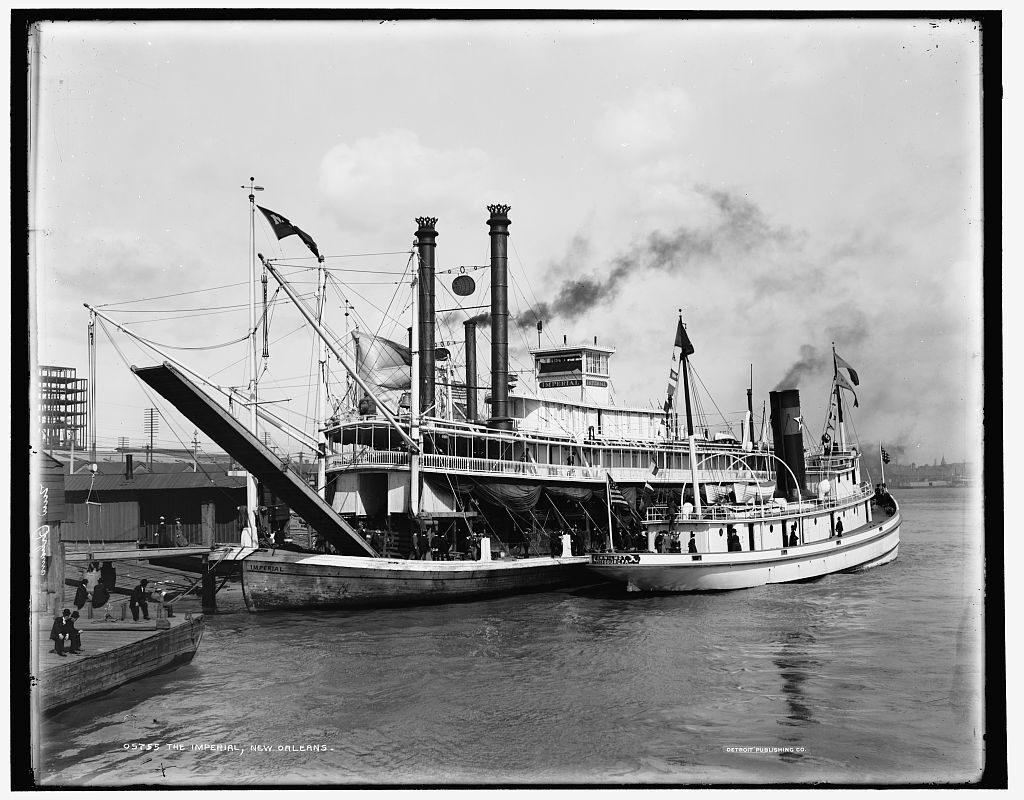
    <published>2022-11-07T03:00:58+00:00</published>
    <updated>2026-10-11T20:30:36+00:00</updated>
    <link rel="alternate" type="text/html" href="https://mail.acadianahistorical.org/items/show/184"/>
    <id>https://mail.acadianahistorical.org/items/show/184</id>
    <author>
      <name>Laura M. Hughes</name>
    </author>
  </entry>
</feed>