The Battle of Bourbeux Bayou
Text
It is the third year of the "War between the States" or "The war of the Yankee aggression," as those from the South called it. All eyes were on Antietam, Bull Run, Vicksburg, and Chancellorsville. Battles fought in Pennsylvania, Maryland, and Mississippi bloody battles that captured the media's attention (printed newspapers) to exclude all others. Brother against brother, father against son, family, and country tore asunder. The Confederacy fought for states' rights and slavery, while the north fought to reunite the Union. The men on each side fought for the men standing next to him.
Little is mentioned of Louisiana and Texas in that great struggle, but if you drive the back roads of Carencro, Opelousas, and through Lafayette, you might see those brown historical markers along our highways, and I doubt one in a thousand ever stop to read them. They are American history in fifty words or less unreadable as we roar by at sixty miles an hour. But that is unfortunate, for there is much more story behind those plaques, and they are a subtle reminder of victories, failures, the famous, and the infamous.
They are the note pads of our history, a reminder of our past as we race into our future. It is a history that the citizens of Louisiana have little ' knowledge of, but no matter which side of the conflict you support, it is part of your and my heritage. Those signs are there to learn from, to perhaps wonder about, little factoids that tell a story of us.
Just north of the town of Carencro is one of those signs marking the mass burial site of confederate soldiers. Here is their story.
It is November 1863, eighty-six years after its founding, of the United States. It was now in a Civil War to see if it would remain intact. The men in butternut filed down the muddy roads from Texas and beyond. They were dressed in anything they could find, some in the grey that matched the sodden sky, some young, and some aged from the harsh life they led. Men with rifles, backpacks filled with the necessities of life, a cup, spoon, knife, a pot to cook in, canteen or bladder to hold water, and, of course, the gunpowder and bullets marched toward a wide place in the road—many with little idea of where they were going and most not caring. Just good old boys determined to defend their homes against those who would want to change a way of life.
Men in Union blue uniforms marched from the other direction, destined to become a footnote in American history. They, too, carried the weapons of war while mules pulled caissons and cannons. It was not Gettysburg nor Shilo, nor Bull Run. Grant and Lee would not be seen riding ahead of these columns. The men in blue were also trying to defend their country so violently split at Ft. Sumter in 1861,
"Confederate Brigadier General Thomas Green with 6000 troops and Union Brigadier General Stephen G. Burbridge leading 1625 troops." (Steven,2016) would come together close to a place called Carrion Crow (Carencro)after the predator's birds that flock there. On November 3, General Green's units under General Taylor attacked the rear guard of Union General Burbridge. General Burbridge's troops were spread out and were quickly overwhelmed and surrendered in mass.
Green finally drew off, having killed 30, wounded 129, and captured 562 men and one 10-pounder Parrott and caisson. Confederate losses vary but were 40-60 were killed, about 300 wounded, and 65 captured or missing. The day after defeat, the Federals resumed their withdrawal with more caution and healthier regard for Confederate strength, savvy, and opportunism. (Stevens, 2015) Brothers, George and Philip Speegle, were members of the 15th Regiment of Texas Infantry. Philip Speegle missed the Battle of Bayou Bourdeaux because he was in the hospital with malaria. Third sergeant George Speegle was one of the slain in that battle, buried in Opelousas, Louisiana, in a mass Confederate grave.
Against the possibility of further hostilities, the confederate forces regrouped and tended to the wounded and buried their dead. Without time or the means to prepare the dead, those who had fought together, fallen together, were buried together.
" Not less than thirty Texans expired on or shortly after reaching the temporary hospital and were interred in the yard on the north side of the house (Bellevue Plantation home of Benjamin Rogers)."
Metadata
Source
Clairmont, N. (2021, September 30). "those who do not learn history are doomed to repeat it." really? Big Think. Retrieved January 20, 2022, from https://bigthink.com/culture-religion/those-who-do-not-learn-history-doomed-to-repeat-it-really/
November 1863 Battle of Bayou, Bourbeux, Louisiana | Trans .... https://civilwartalk.com/threads/november-1863-battle-of-bayou-bourbeux-louisiana.167390/
National Park Service Center for Cultural and Eco-Tourism, UL Lafayette Teche Ecology, Culture and History Education Project. (2012, September). Bayou Teche paddle trail - teche project. BAYOU TECHE PADDLE TRAIL. Retrieved March 10, 2022, from https://techeproject.org/wp-content/uploads/2013/05/BTPT-plan-final.pdf
All Pictures are used with permissions or are considered Open source or Fair Use. Authors pictures a copyright 2022.
(1) The purpose and character of the use, is for nonprofit educational purposes
Files
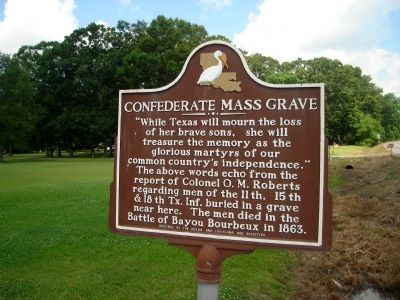
File #750: [Untitled]
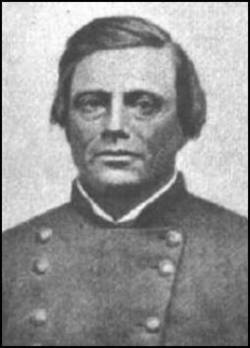
General Thomas Green CSA,
General Green lead his in September when the First Cavalry captured a Union detachment at Stirling's Plantation. A similar success followed in November at Bayou Burbeaux. In four victories Green's men inflicted about 3,000 casualties and suffered only 600. In April 1864 he led a division in successful attacks against Maj. Gen. Nathaniel P. Banks at the battle of Mansfield and against Maj. Gen. William H. Emory at the battle of Pleasant Hill (see RED RIVER CAMPAIGN). A few days later, on April 12, 1864, Green died while leading an attack on federal gunboats patrolling the Red River at Blair's Landing. | Source: Texas Historic al Society, Stephen F Austen University
General Cuvier Grover
In command of division of 19th Corps, Department of the Gulf, Dec. 30, 1862, to July, 1864, being engaged in Occupation of Baton Rouge, La., Jan. to Apr., 1863, — Combat of Irish Bend, Apr. 14, 1863, — Action of Vermilion Bayou, Apr., 1863, — Expedition to Port Hudson, La., May 19‑2, 1863, in command of the right wing of the Army besieging the place, — and Action of Mansuria, La., May 15,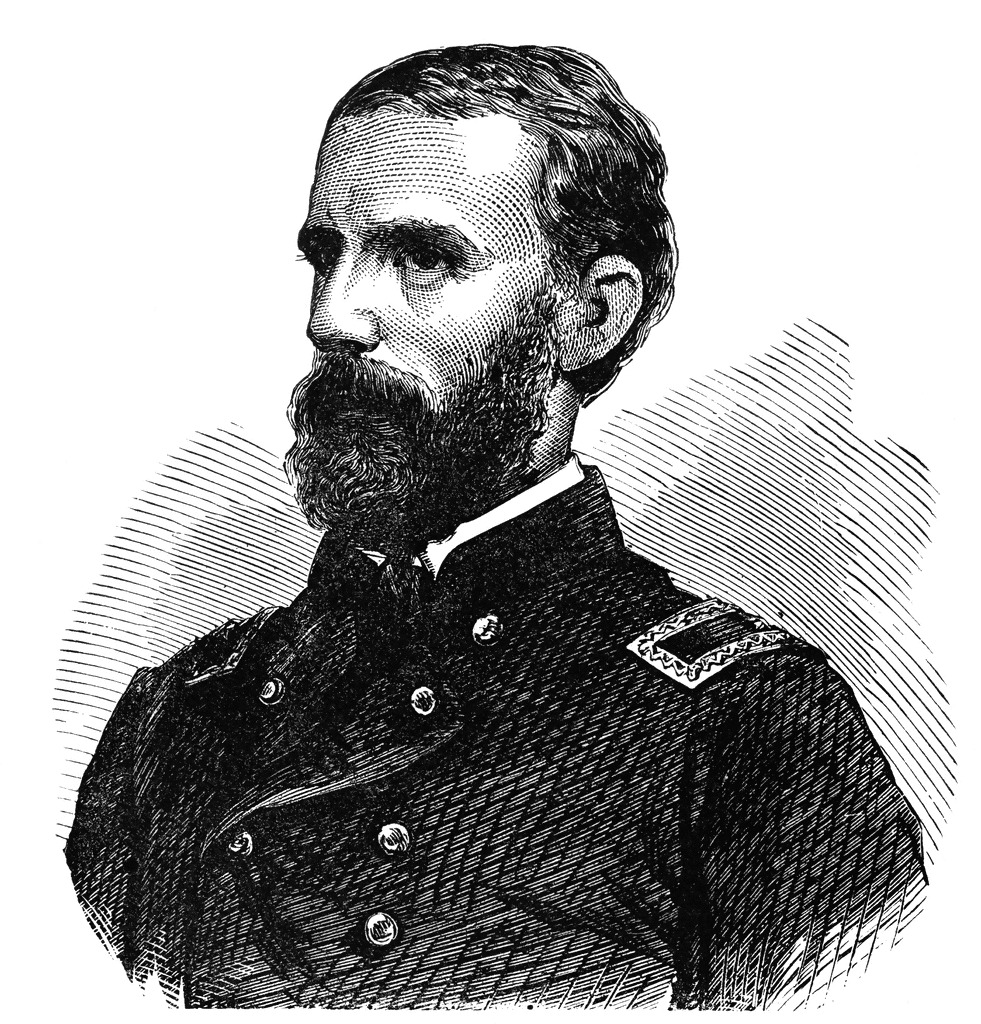
General Grover
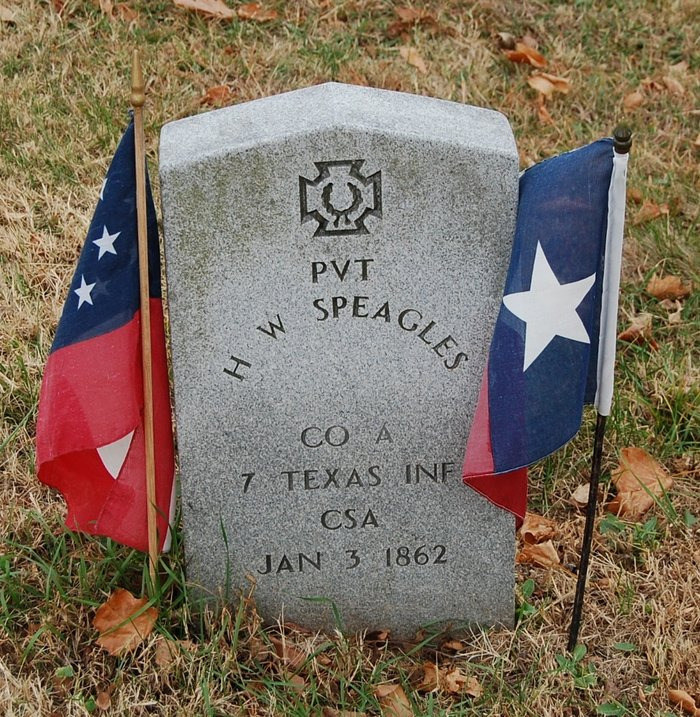
File #747: [Untitled]
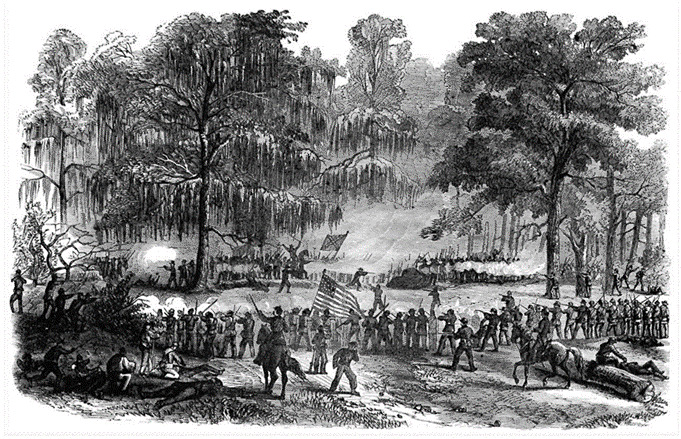
File #748: [Untitled]
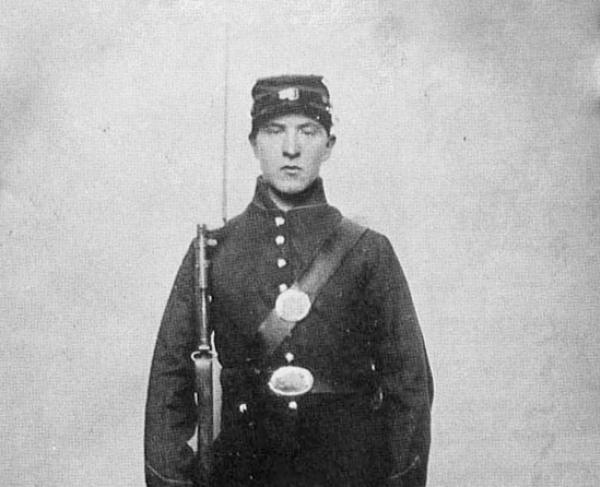
Roseetta Wakemand,American Battlefield Trust
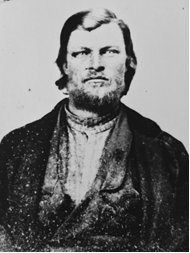
Philip Speegle

File #749: [Untitled]
| File Details | Download |
|---|---|
The Battle of BourbeuxIt is the third year of the "War between the States," or "The war of the Yankee aggression," as those from the South called it. All eyes were on Antietam, Bull Run, Vicksburg, and Chancellorsville. Battles fought in Pennsylvania, Maryland, and Mississippi were bloody battles that captured the media's attention (printed newspapers) to exclude all others. Brother against brother, father against son, family, and country tore asunder. The Confederacy fought for states' rights and slavery, while the north fought to reunite the Union. The men on each side fought for the men standing next to him. Little is mentioned of Louisiana and Texas in that great struggle, but if you drive the back roads of Carencro, Opelousas, and through Lafayette, you might see those brown historical markers along our highways, and I doubt one in a thousand ever stop to read them. They are American history in fifty words or less unreadable as we roar by at sixty miles an hour. But that is unfortunate, for there is much more story behind those plaques, and they are a subtle reminder of victories, failures, the famous, and the infamous. They are the note pads of our history, a reminder of our past as we race into our future. It is a history that the citizens of Louisiana have little ' knowledge of, but no matter which side of the conflict you support, it is part of your and my heritage. Those signs are there to learn from, to perhaps wonder about, little factoids that tell a story about us. Just north of the town of Carencro is one of those signs marking the mass burial site of confederate soldiers. Here is their story. It is November 1863, eighty-six years after it founds the United States. It was now in a Civil War to see if it would remain intact. The men in butternut filed down the muddy roads from Texas and beyond. They were dressed in anything they could find, some in the grey that matched the sodden sky, some young, and some aged from the harsh life they led. Men with rifles, backpacks filled with the necessities of life, a cup, spoon, knife, a pot to cook in, a canteen or bladder to hold water, and, of course, the gunpowder and bullets marched toward a wide place in the road—many with little idea of where they were going and most not caring. Just good old boys determined to defend their homes against those who would want to change a way of life. Men in Union blue uniforms marched from the other direction, destined to become a footnote in American history. They, too, carried the weapons of war while mules pulled caissons and cannons. It was not Gettysburg nor Shilo, nor Bull Run. Grant and Lee would not be seen riding ahead of these columns. The men in blue were also trying to defend their country so violently split at Ft. Sumter in 1861, Figure 2Thomas Green library of Congress "Confederate Brigadier General Thomas Green with 6000 troops and Union Brigadier General Stephen G. Burbridge leading 1625 troops." (Steven,2016) would come together close to a place called Carrion Crow (Carencro)after the predator's birds that flock there. On November 3, General Green's units under General Taylor attacked the rear guard of Union General Burbridge. General Figure 3 Philp Speagles younger brother's grave Find a grave Burbridge's troops were spread out and were quickly overwhelmed and surrendered in mass. Green finally drew off, having killed 30, wounded 129, and captured 562 men and one 10-pounder Parrott and caisson. Confederate losses vary, but 40-60 were killed, about 300 wounded, and 65 captured or missing. The day after defeat, the Federals resumed their withdrawal with more caution and healthier regard for Confederate strength, savvy, and opportunism. (Stevens, 2015) Brothers, George and Philip Speegle, were members of the 15th Regiment of Texas Infantry. Philip Speegle missed the Battle of Bayou Bourdeaux because he was in the hospital with malaria. Third sergeant George Speegle was one of the slain in that battle, buried in Opelousas, Louisiana, in a mass Confederate grave. Against the possibility of further hostilities, the confederate forces regrouped and tended to the wounded and buried their dead. Without time or the means to prepare the dead, those who had fought together, fallen together, were buried together. " Not less than thirty Texans expired on or shortly after reaching the temporary hospital and were interred in the yard on the north side of the house (Bellevue Plantation home of Benjamin Rogers)." Factoid:Mary Lincoln's brother George R.C. Todd and her half-brothers Alexander Todd, David Todd, and Samuel Todd all fought in the Confederate Army during the Civil War. Alexander Todd was killed at Baton Rouge. | Downloadmsword / 3 MB |
File #728: [Untitled] | Downloadmsword / 3 MB |