The Civil War in Acadiana
It is 1860, and Abraham Lincoln was Just elected, the first Republican to win the White House. The Southern States had threatened secession if the Republicans won, and by the time Lincoln was inaugurated on March 4, 1861, seven states had left the union. [1]
South Carolina, Mississippi, Georgia, and Texas formally declared that the threat to Slaveholders' rights was the cause of their departure, and Georgia cited unfair general Northern economic policy toward the southern states. Louisiana seceded without giving cause.
The country was divided, with family and friends caught in the middle. It had become a powder keg waiting for something to light its fuse. On April 12, 1861[2], that fuse was lit as Union ships attempted to resupply Fort Sumter, and South Carolina artillery pounded the redoubt. Others say a battery on Morris Island manned by Citadel Academy cadets fired what is considered to be the first shots of the American Civil War 0n January 9, 1861, preventing the U.S. steamer Star of the West from reaching Fort Sumter with troops and supplies. No matter the date, the country was plunged into war with brother against brother, leaving scars that still have not healed to this day. The media of the day reported the great battle in Gettysburg, Manassas or as some called it Bull run, and little was written about the campaigns in Louisiana.
Along the highways of Louisiana are footnotes, small markers of events of that war. They tell a story about battles won and lost, tales of heroism and courage. Times are as much a part of Louisiana today as they were back then. These Stories of this great state are not just for the historian. It is our history, where we came from, where we are, and perhaps a glimpse of where we are going. So come, walk with me on tour on those five years that changed a country, Louisiana and Acadiana. Meet Soldiers like Private Seagle and General Richard Taylor. Learn about General Mouton, how Carencro got its name, and Admiral Farragut "Damned the torpedos." Fame. Visit the places they fought and where they rest, the same streets we walk today. Sit awhile by the vermillion river or bayou, close your eyes and listen to the breeze. An on it, you might hear the echoes of bugles, the ring of canon fire, or catch a fleeting whiff of cordite in the air, and if you are lucky, very lucky, you catch a glimpse through the mist of men in butternut or blue who fought and fell here a hundred and sixty years ago.
[1] South Carolina, Mississippi, Florida, Alabama, Georgia, Louisiana, and Texas
[2] The official start of the civil war,
Stories 5
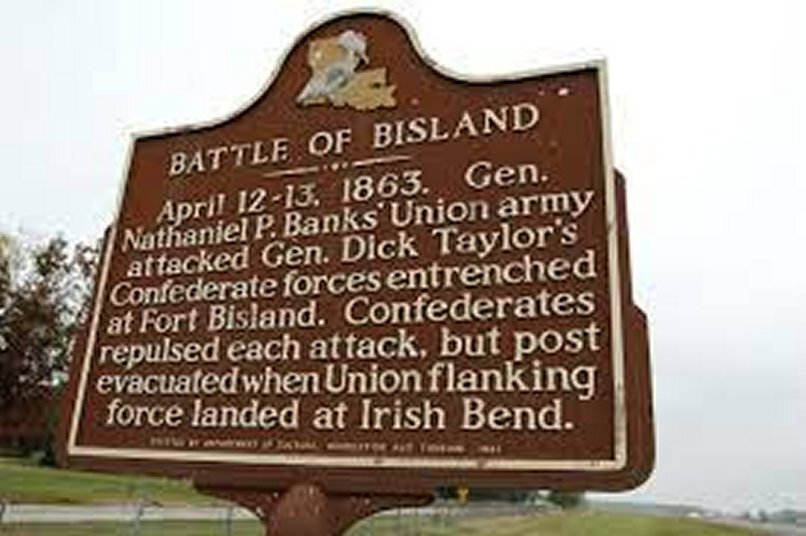
Battle of Bisland
The Battle of Bisland It is 1860, and Abraham Lincoln was Just elected, the first Republican to win the White House. The Southern States had threatened secession if the Republicans won, and by the time Lincoln was inaugurated on March 4, 1861, seven states had left the union. A powder keg waiting for something to light its fuse. On April 12, 1861, that fuse was lit as Union ships attempted to resupply Fort Sumter, and South Carolina artillery pounded the redoubt. Others say a battery on Morris Island manned by Citadel Academy cadets fired what is considered to be the first shots of the American Civil War on January 9, 1861, on the U.S. steamer Star of the West trying to reach Fort Sumter. No matter the date, the country was plunged into war , with family and friends caught in the middle. brother against brother, father against son, The media of the day reported the great battle in Gettysburg, Manasses, or as some called it, Bull run, but Louisana was not spared the suffering of that war leaving scars that still have not healed. In 1864 saw, the Union Army deep within the south. New Orleans had fallen, General Mouton and Union General Banks would face off near Calumet, Louisiana. Fort Bisland was besieged on the ground and water by Union troops and gunboats. It was the first step in a string of skirmishes along the Bayou Teche. Often fighting on their homesteads, the confederates gave ground begrudgingly. Both sides paying the price in blood. Threatened with their route of retreat being cut off, the Confederates led by General Taylor, was forced to abandon the post and fall back to Franklin. Burning bridges behind them, they left the fort to the Federal troops. The last redoubt that could impede the Yankees had fallen.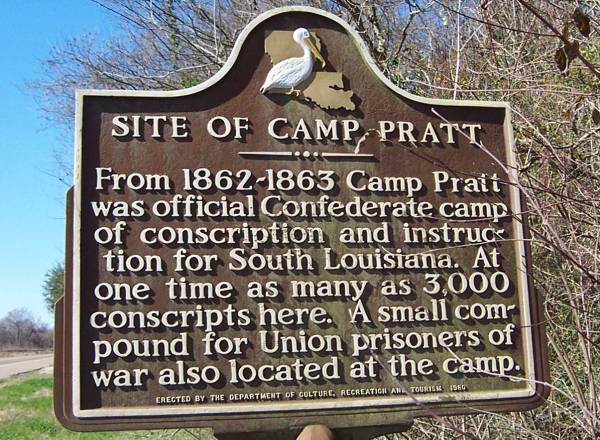
Camp Pratt
The Civil War was just one year old, and volunteers were coming to the end of their enlistments. On April 16, 1862 confederacy legislature passed a conscription act to fill their ranks. White men…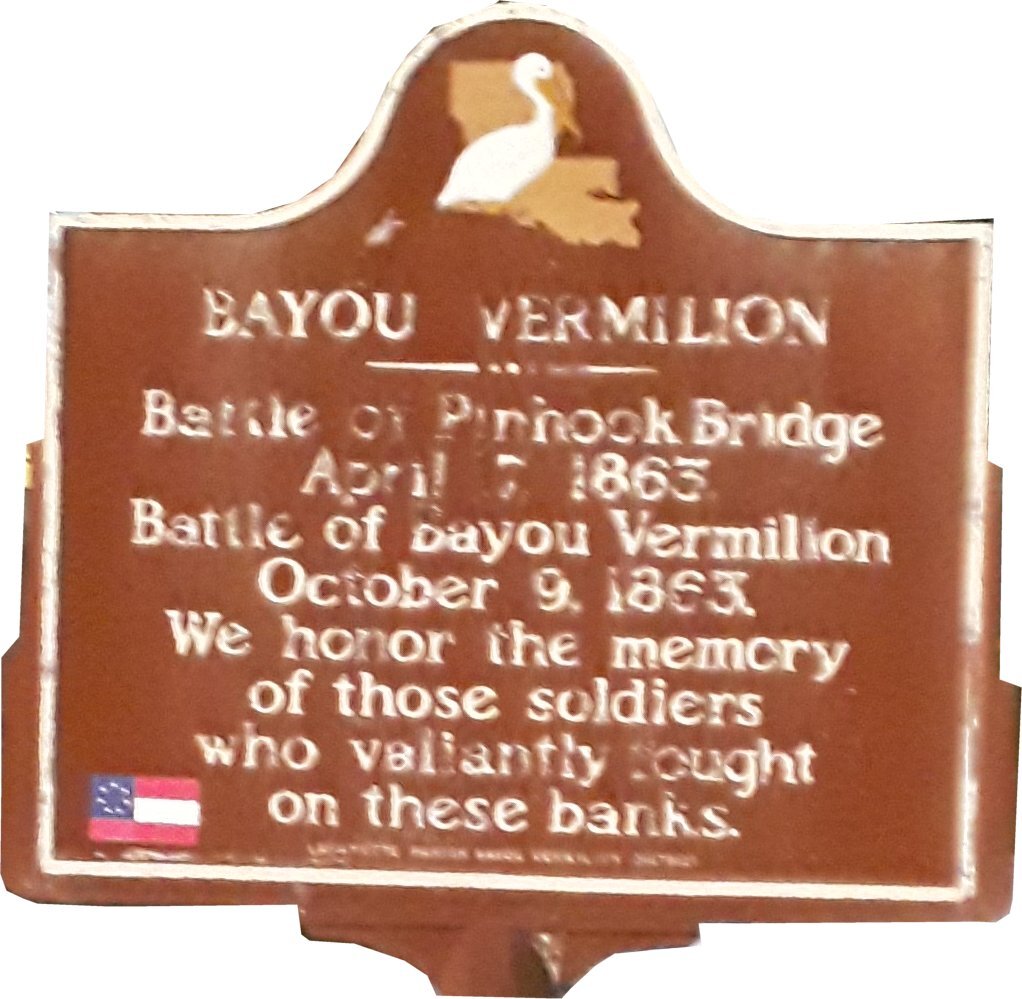
The Battle of Vermilion Bridge
It is 1860, and Abraham Lincoln was Just elected, the first Republican to win the White House. The Southern States had threatened secession if the Republicans won, and by the time Lincoln was…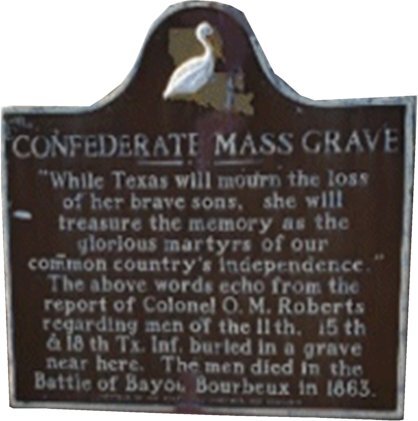
Battle of Bayou Bourbaux: Also Called the Battle of Bayou Carencro
The Battle of Bayou Bourbeux. The Civil War was entering its third year, Vicksburg had fallen, and the Union had control of the Mississippi. Gettysburg would produce the most significant loss of life…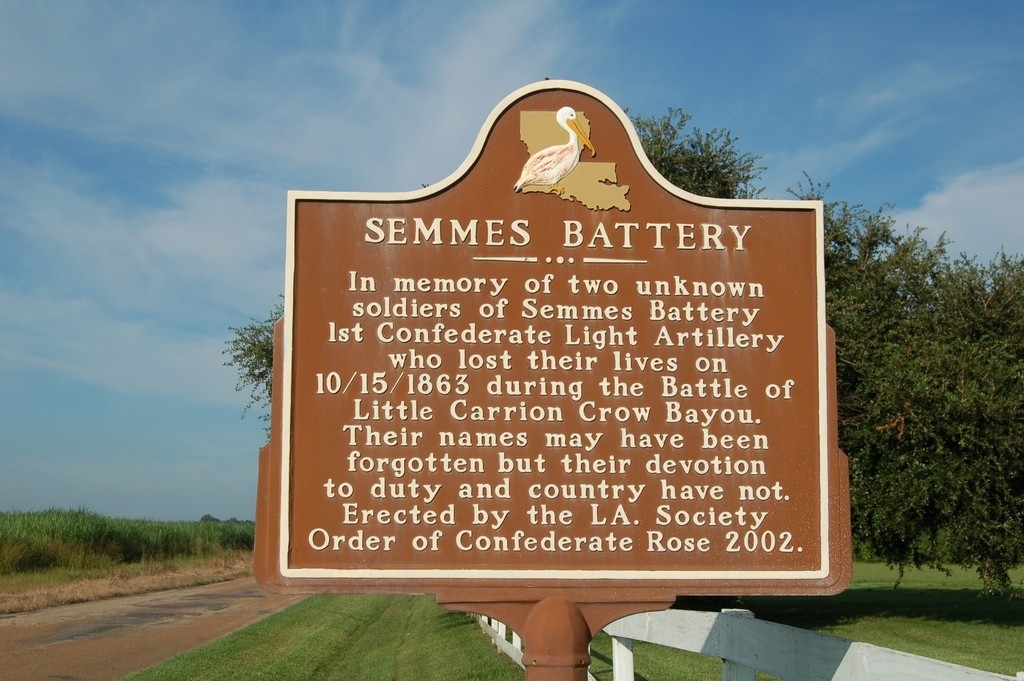
The Battle of Buzzard's Prairie
The battle of Buzzards Prairie and the Battle of Bayou Bourbeux were fought close to the Chretien Plantation in the vicinity of Vermilionville for over six months. General Green and General Taylor…Tour curated by: Gordon Eatley