Streets Named After People
Bourdieu’s idea of social capital has to do with the acquiring and use of cultural sway to gain influence and power in a society. Commemorative street names are a way of constructing and expressing the past. In Acadiana there are many different streets named after people, but very few of the people who live here know much, if anything, about those people or their stories. As a public space, the names of streets are part of everyday life, but are often overlooked. Cultural symbols and popular exposure are some of the things that may be used to increase social capital. Various groups, individuals, organizations, or governmental entities all use some amount of social capital. Social capital may be considered similar to the idea of popularity- groups want more people to think of them positively and support their actions.
A local politician would mainly use local issues to acquire their social capital in order to be elected or re-elected. This frequently covers issues of local infrastructure, such as roads and streets. A local politician might advocate for renaming a street in honor of a local or national “hero” or admired person so that they can appeal to the people who like that person and gain more social capital and recognition in that group. Another type of person a local street might be named after would be a religious figure in a very religious area- for example, a highly respected and missed priest or minister from a large local church. By supporting the memorialization of that person in a very permanent way, a politician can appeal to the entire group of people who would like to see that person remembered and possibly greatly increase his or her social capital.
The physical space of commemoration is as important as the influence or symbolic capital that can be gained through making group look good or association with popular ideal. Historically marginalized groups can resist the continued accumulation of social capital by elites by taking the opportunity to use official systems such as street names to increase their own social capital. The state also uses social capital to support its own best interests. There are monuments and memorials for soldiers all across America because the state encourages citizens to enlist in and support the military. It is in the state’s best interests to encourage citizens’ support for national defense and one way that the state does this is by honoring fallen soldiers and war heroes in the public eye.
With street names, one is able to constantly have a reminder of great people that shaped a region so that the people of that area can take pride in those streets. The importance of teaching people about the history of the people on the signs also keeps a rich history in the minds of generations. Street names give insight into the history of any city or state. Public symbols represent different memories in the American culture. Streets play an important role in the function of memory in the everyday world and serve as a connection of the past and the present, people and their communities. However, over time the name of a street begins to lose the other meaning it once held and represents only that street. Learning about the people that streets were named after helps offer insight into a community and its values.
Stories 12
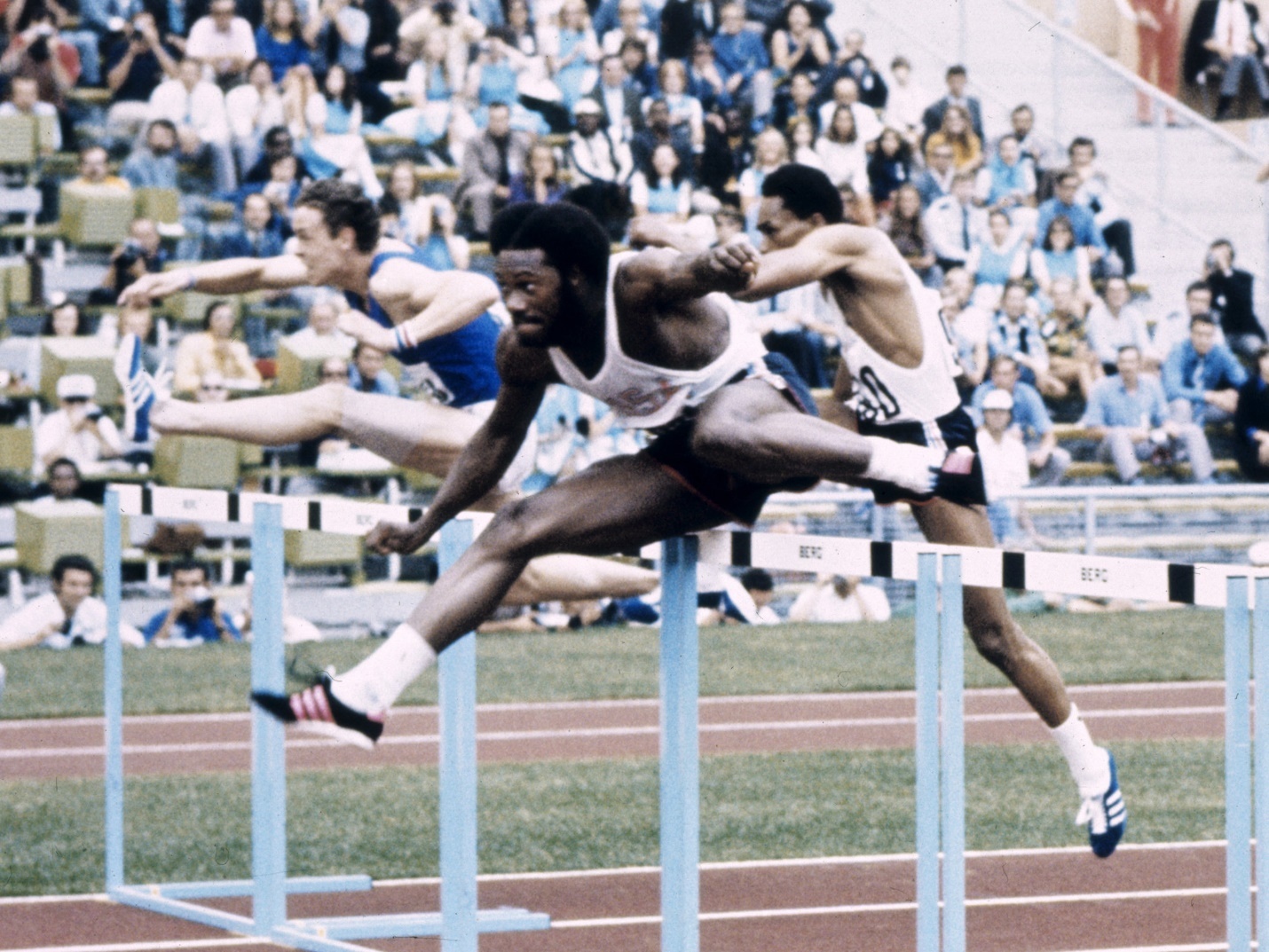
Hurdling For Gold
Rodney Milburn was an Olympic hurdler who won gold at the 1972 Summer Olympics in Munich in the 110 meters hurdles. While in Munich, Rodney Milburn tied the world record of 13.24 in winning the gold…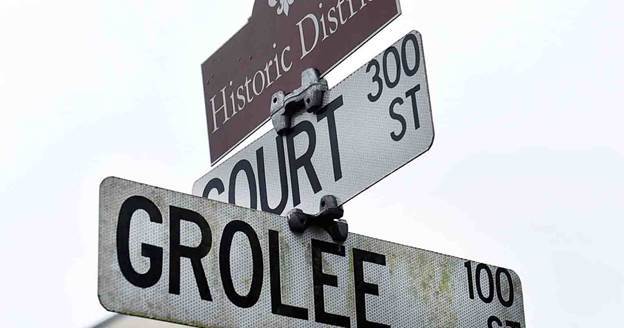
Dr. Benoit Grolee
Grolee Street is one of the oldest streets in Opelousas, Louisiana. It was in 1934 on March 19th, when the Opelousas Board of Public met and passed an ordinance naming two streets that day. One of…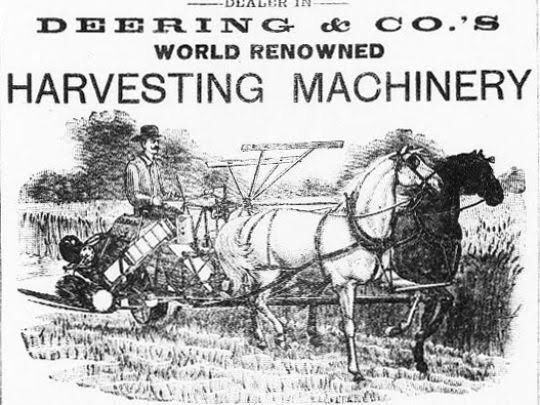
Beloved Businessman
Joseph Bloch was born in France in 1833. He moved to the Americas and Louisiana when he was 21. Bloch owned a mercantile business in Ascension parish before moving to Opelousas. Bloch’s store was…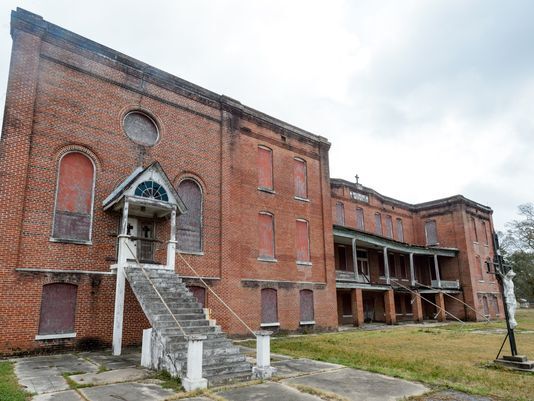
New Life for Holy Rosary Institute
So I know you are probably wondering what so special about 421 Carmel Drive. Well it’s not about the street but what is on the street. Located at that address is a building that was once Holy Rosary…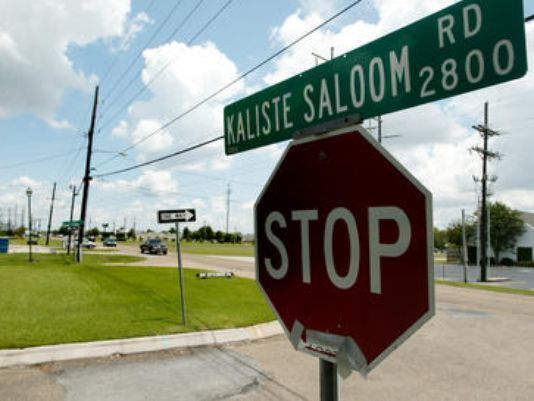
Kaliste Saloom Jr AKA “The History Book of Lafayette”
The history behind the naming of Kaliste Saloom Road.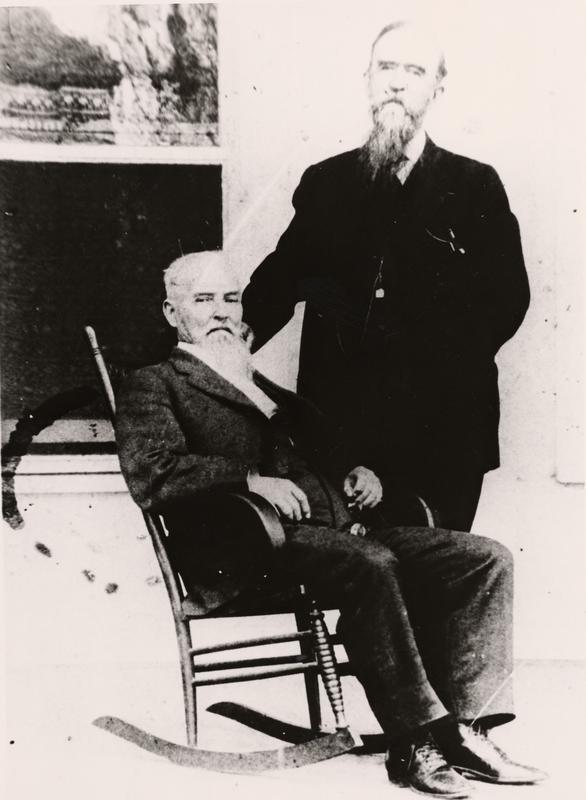
First Licensed Doctor of Calcasieu Parish
Dr. Lyons was the first doctor with a diploma to ever practice in Calcasieu Parish.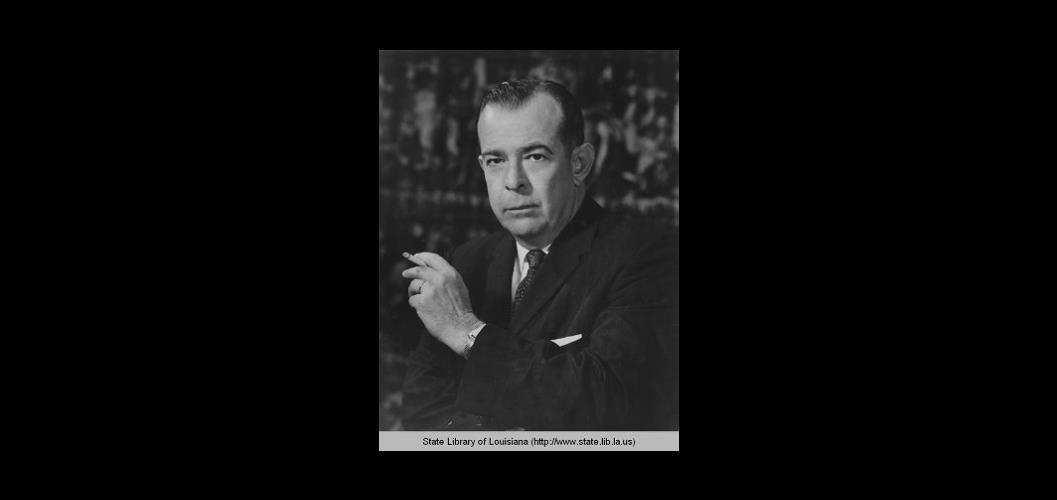
C.C. "Taddy" Aycock: Louisiana Lieutenant Governor and Lawyer
C.C. ‘Taddy” Aycock was a prominent Louisiana politician in the 20th century.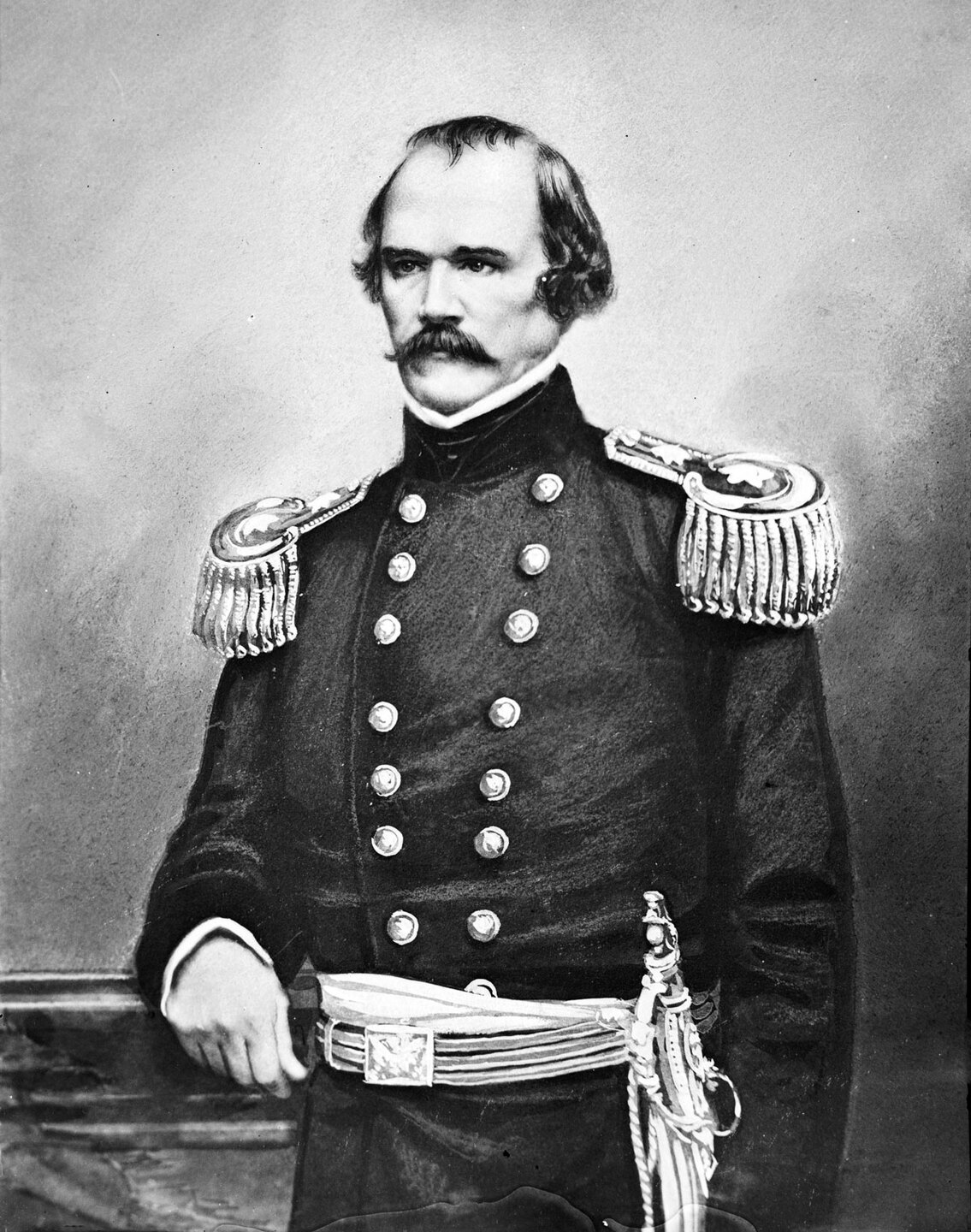
Johnston Street
General Albert Sidney Johnston was honored for his multiple assignments as a general.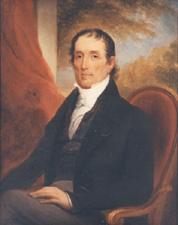
An Influential Politician: Jean Noel Destrehan
A prominent Louisiana politician and legislator, as well as a mercantilist and planter.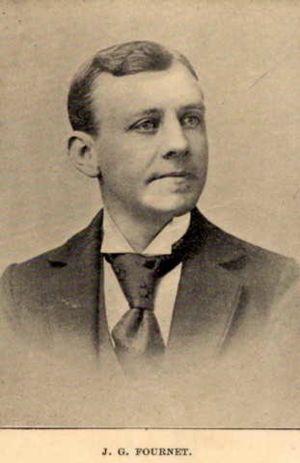
A Father and Son
Fournet street was named in honor of a father and son that had a very similar life.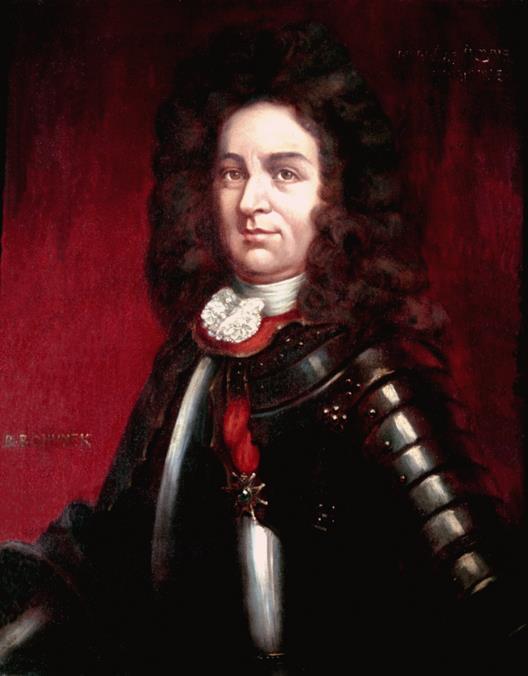
Louisiana's Canadian Founder: Pierre d'Iberville
The soldier and explorer who founded the French colony "La Louisiane"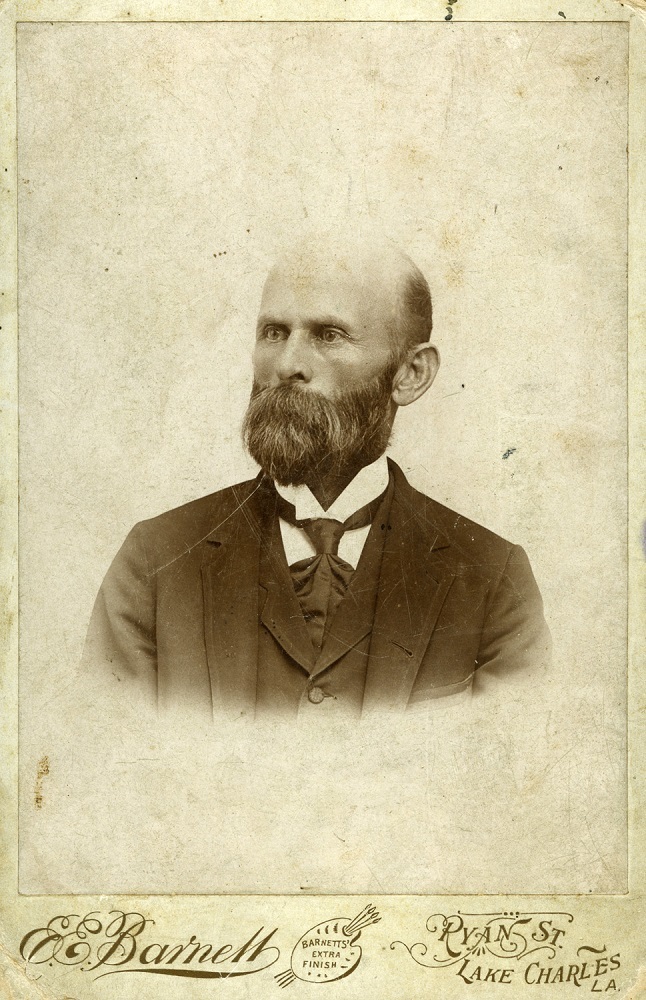
Louisiana's Most Revolutionary Educator
John McNeese was one of the most influential educators of the Lake Charles area.Tour curated by: Bailey Lemoine, Hannah Bryan, Brennon Rami | Alderman, Derek H. “A Street Fit for a King: Naming Places and Commemoration in the American South.” The Professional Geographer, vol. 52, no. 4, 2000, pp. 672–684.EBSCO, doi:10.1111/0033-0124.00256. Alderman, Derek H. "Place, naming and the interpretation of cultural landscapes." Heritage and Identity, edited by Brian Graham and Peter Howard (2016): 195-213. Azaryahu, Maoz. "The Critical Turn and Beyond: The Case of Commemorative Street Naming." ACME: An International E-Journal for Critical Geographies, vol. 10, no. 1, Mar. 2011, pp. 28-33. EBSCOhost, ezproxy.ucs.louisiana.edu:2048/login?url=http://search.ebscohost.com/login.aspx?direct=true&AuthType=ip,cookie,uid,url&db=a9h&AN=63157386&site=eds-live. Azaryahu, Maoz. "The power of commemorative street names." Environment and Planning D: Society and Space 14.3 (1996): 311-330. Azaryahu, Maoz, and Kenneth E. Foote. "Historical space as narrative medium: on the configuration of spatial narratives of time at historical sites." GeoJournal 73.3 (2008): 179-194. Bourdieu, Pierre. Language and Symbolic Power. Edited by John B. Thompson. Translated by Gino Raymond and Matthew Adamson, Harvard University Press, 1991. Post, Robert C. “Censorship and Silencing: Practices of Cultural Regulation.” Bulletin of the American Academy of Arts and Sciences, vol. 52, no. 3, 1999, pp. 25–28. JSTOR, JSTOR, www.jstor.org/stable/3824123. Rose-Redwood, R. "From Number to Name: Symbolic Capital, Places of Memory and the Politics of Street Renaming in New York City." Social and Cultural Geography, no. 4, 2008, p. 431. EBSCOhost, ezproxy.ucs.louisiana.edu:2048/login?url=http://search.ebscohost.com/login.aspx?direct=true&AuthType=ip,cookie,uid,url&db=edsbl&AN=RN234376103&site=eds-live.