The Screwmen of New Orleans: The Men Who Helped Build a Cotton Empire
Using enormous wooden screws and muscle power, New Orleans Screwmen packed cotton bales tightly into ships, helping fuel the city's nineteenth-century prosperity. Their fascinating story reveals a world of labor, immigration, race, and cultural exchange. This ten-stop tour invites you to discover that history where it happened. Developed by historian Laura M. Hughes through her M.A. thesis research at the University of Louisiana at Lafayette, the tour brings an overlooked past into the present.
Loading Stories
Stories 10
Site 1: Jonte Equen's Home — The Birth of the Association: The Screwmen's Benevolent Association Organized
On the evening of November 18, 1850, 121 screwmen put down their jackscrews and emerged from the dark, cramped hulls that they had been toiling in since early that morning. They made their way down the main thoroughfare to the home of Jonte Equen on Royal Street, where they discussed the best means “of uniting for purposes of mutual aid, relief, and protection.”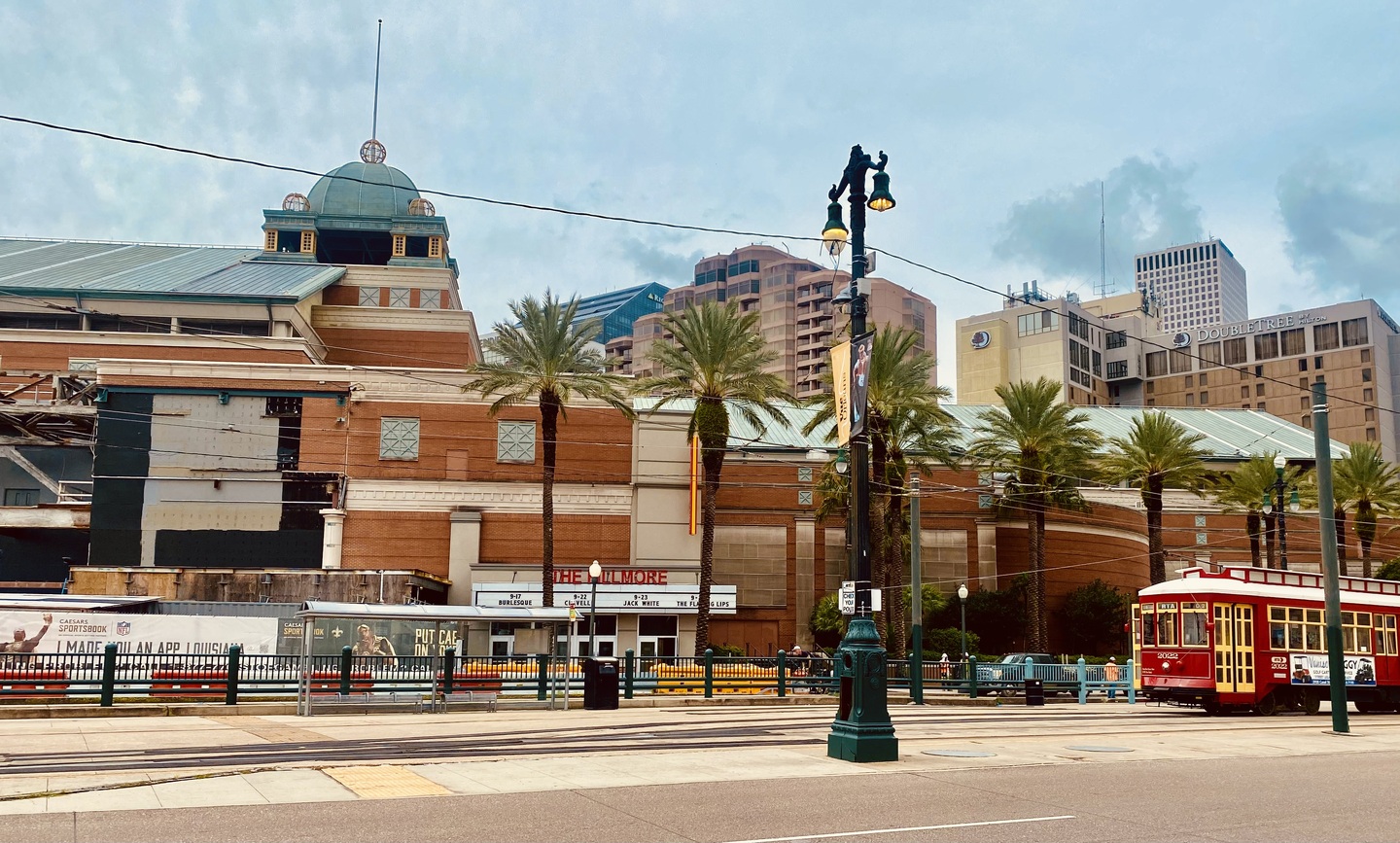
Site 2: Screwmen's Armory — The Screwmen Go to War: The Present Disturbed State of the Country
Young men filed in and out of the building at 14 Canal Street. Some stood around outside and discussed the latest news of the war or compared enlistment details.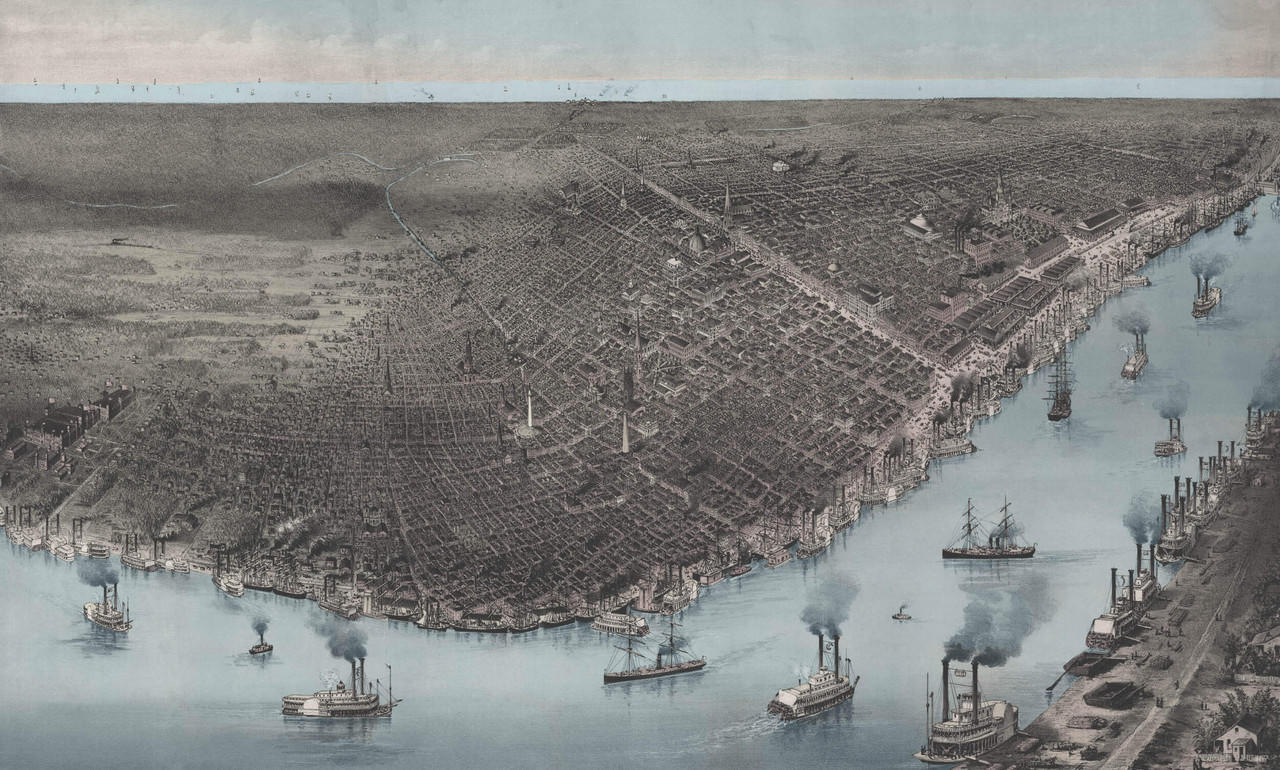
Site 3: The Bend in the River: A Post Civil War Labor Strike Unifying Black and White Workers on the Docks: Race and Unity on the Crescent
The port is, and was, the lifeblood of New Orleans. However, much has changed over the years. Sailors no longer dock steamboats, brigantines, and keelboats along the quay. Instead, container ships, tankers, bulk carriers, dry cargo ships, and cruise ships dock along the port.
Site 4: Tchoupitoulas and Thalia — A Neighborhood Unites: Port Workers Unite on Tchoupitoulas and Thalia Streets
On December 23, 1865, 600 longshoremen met at the corner of Tchoupitoulas and Thalia Streets to protest working conditions and discuss a wage increase.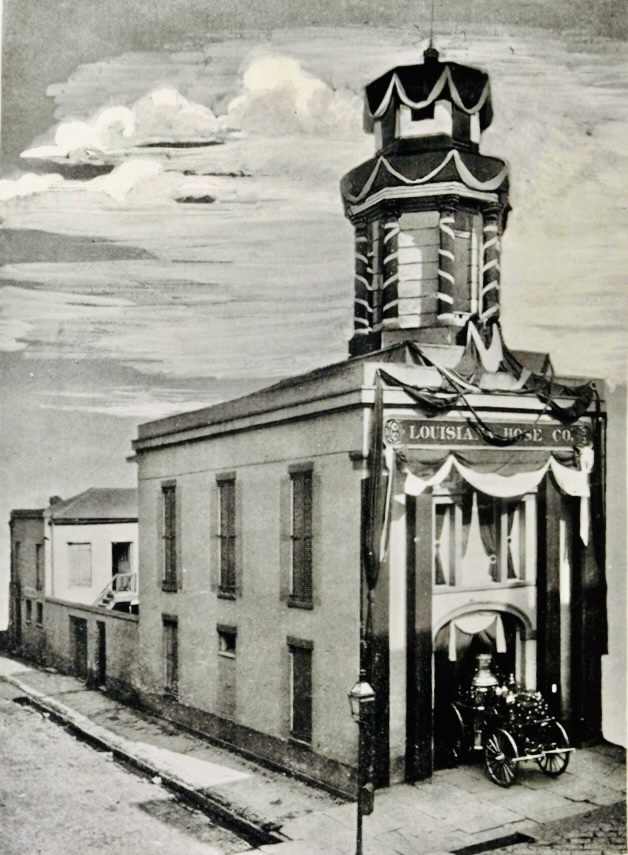
Site 5: Louisiana Hose House — Responding to the 1865 Strike: A House for Hoses and for Meetings Too
A labor strike during Christmas of 1865 threw all port trades into turmoil and impacted the cotton industry tremendously. Shipmasters and stevedores met at the Louisiana Hose House to discuss the screwmen's demands.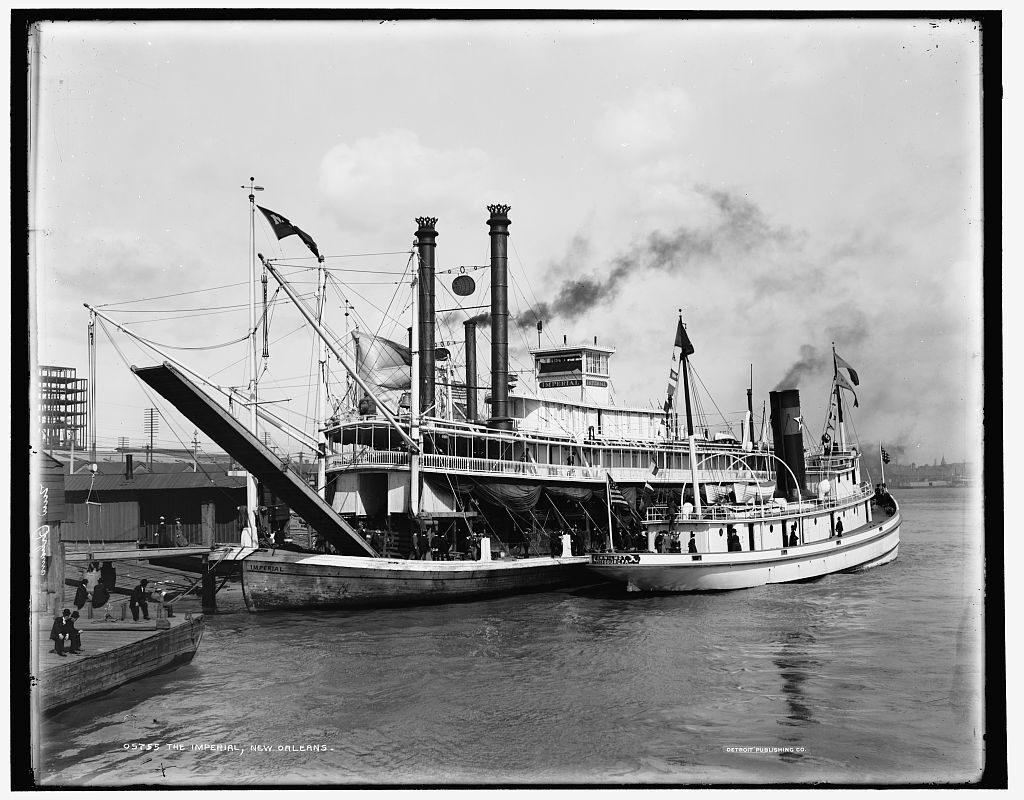
Site 6: Second to Seventh Streets — The 1894 Attack on Black Screwmen's Tools: Masked Men Raid Ships
On October 26, 1894, 200 men gathered under the cover of night and descended on the port in New Orleans. Some wore handkerchiefs to obscure their faces. Others wore false beards and masks. Armed with Winchester rifles, they overpowered the watchmen who guarded the ships docked at the riverfront between Seventh and Second Streets.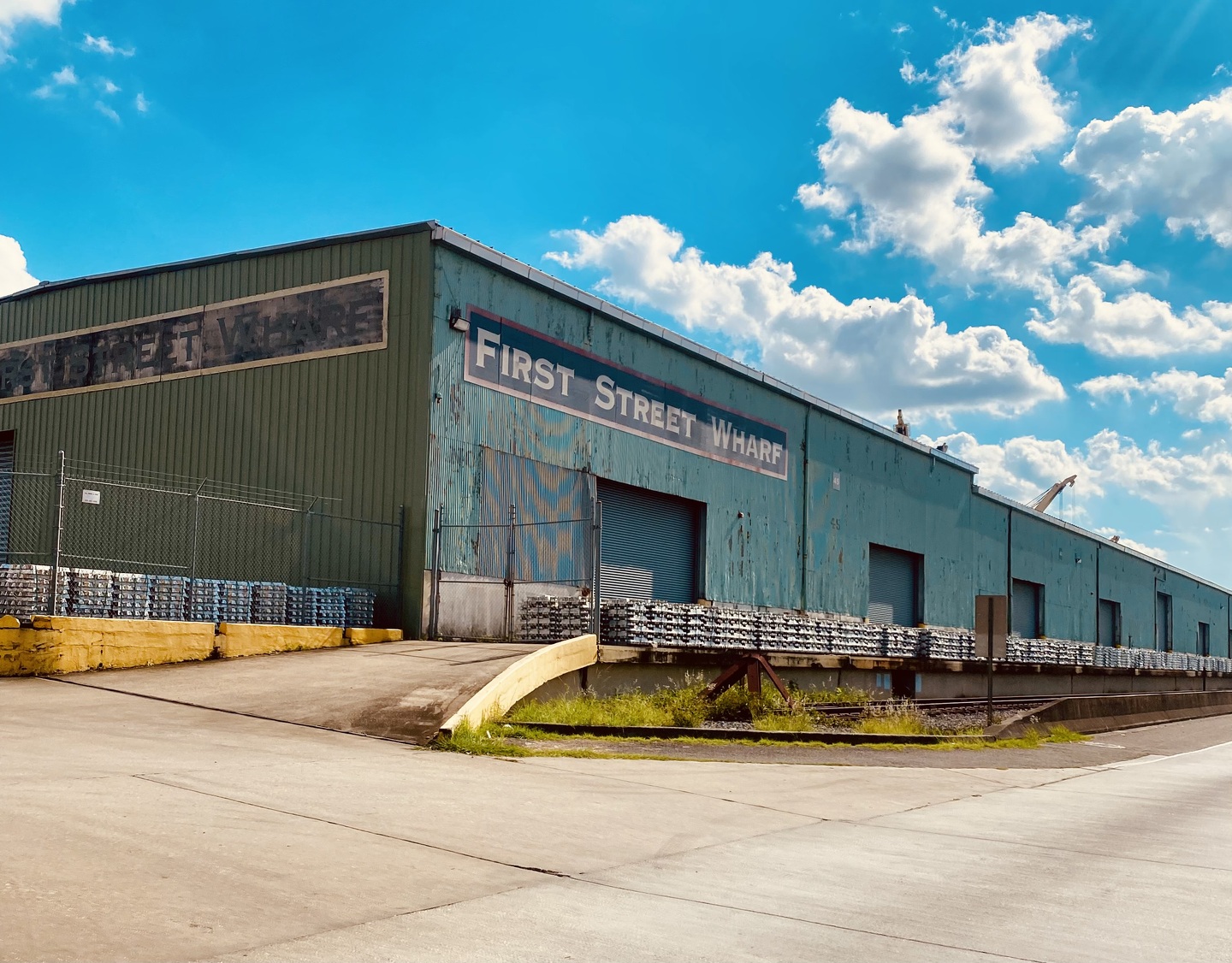
Site 7: First to Third Streets — The 1894 Waterfront Riot: Murder Comes to the Levee
Gun smoke mingled with steam rising from smokestacks of British ships docked along the levee. Rifle shots replaced the usual sounds of the port. The rattling of carts and longshoremen singing shanteys to lighten the tedious nature of the day's work went silent. In their place were the screams of victims who tried to escape the onslaught.
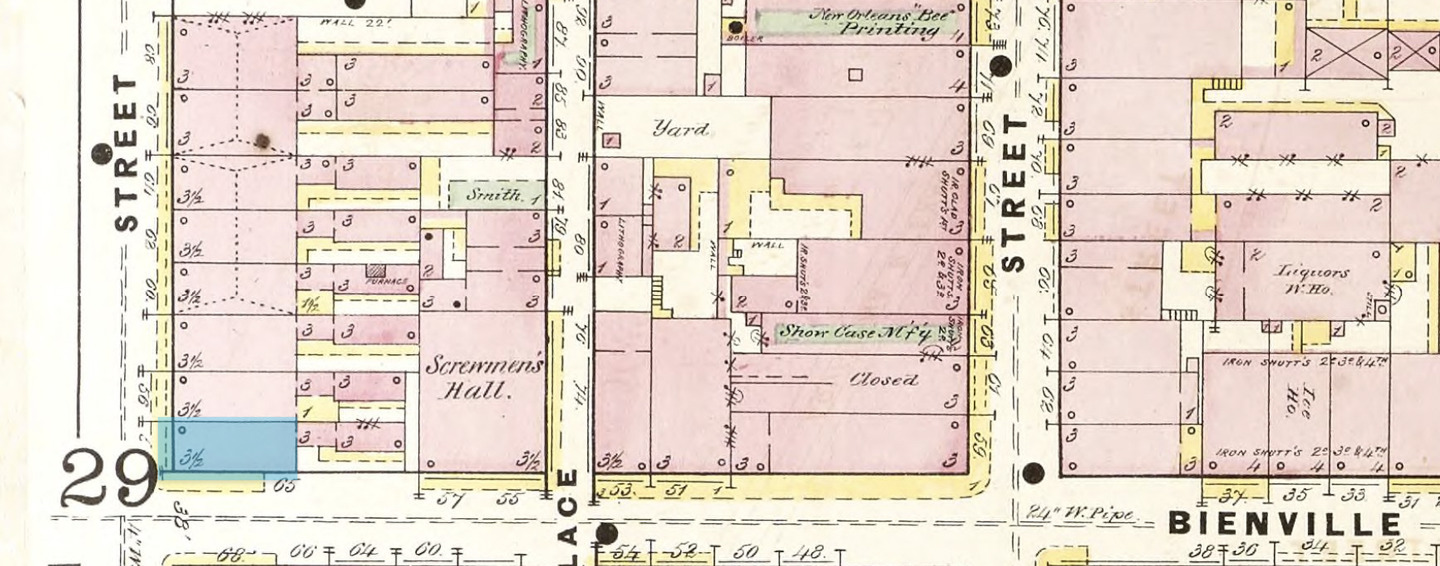
Site 8: Screwmen's Hall — The Association's Institutional Home: Where It All Happened
It was the heart of where members debated the issues surrounding their trade. It was a place to get information, cast votes, and make plans.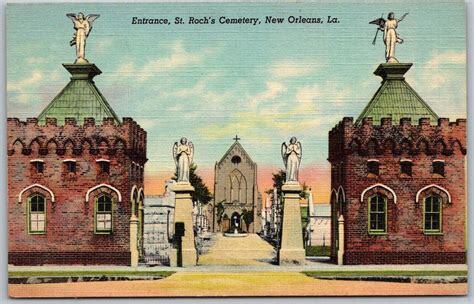
Site 9: St. Roch Cemetery — The Society Tomb: Screwmen's Benevolent Association at Work
Today, the Society Tomb of the Screwmen’s Benevolent Association in St. Roch Cemetery No. 1 stands as the only known public monument in New Orleans to the screwmen who once played such an important…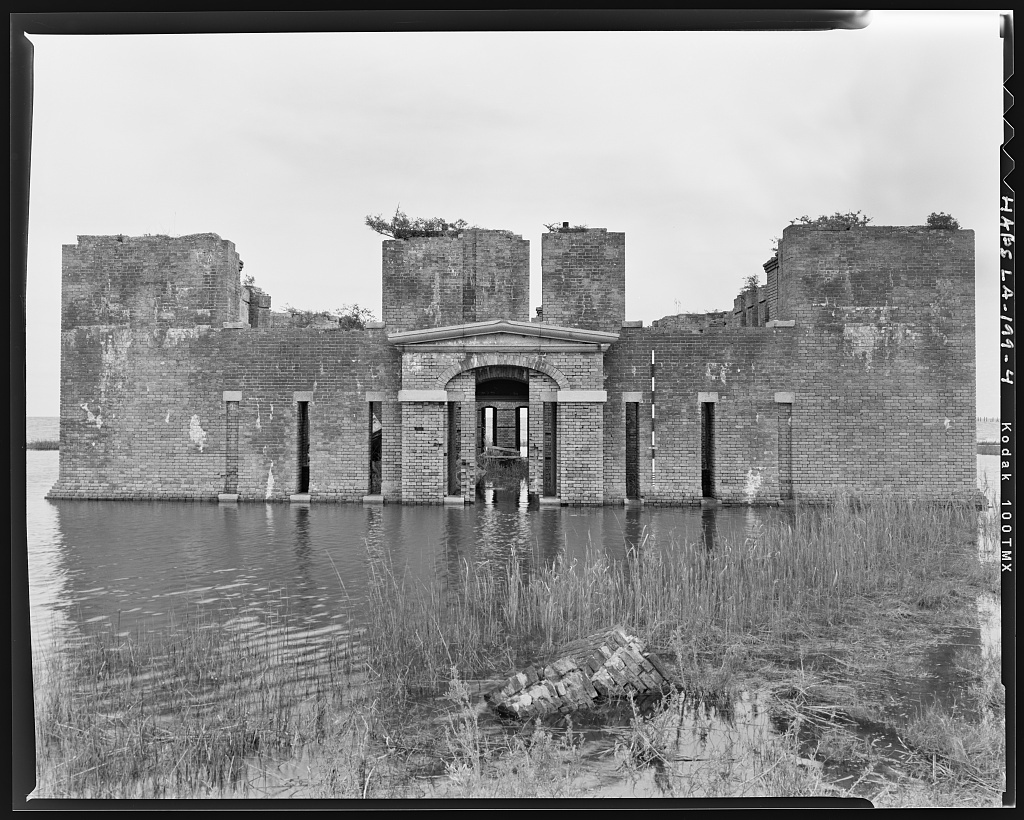
Site 10: Fort Proctor — The Screwmen's Guard: The Screwmen and the Civil War
Fort Proctor looms on the horizon, like a castle rising from the choppy waters of Lake Borgne.Tour curated by: Laura M. Hughes | Visitors are encouraged to share photographs, documents, and family stories that might deepen this research and expand the tour.