<?xml version="1.0" encoding="UTF-8"?>
<feed xmlns="http://www.w3.org/2005/Atom">
  <title type="text">Acadiana Historical</title>
  <updated>2026-10-11T20:32:02+00:00</updated>
  <generator uri="http://framework.zend.com" version="1.12.20">Zend_Feed_Writer</generator>
  <link rel="alternate" type="text/html" href="https://mail.acadianahistorical.org/"/>
  <link rel="self" type="application/atom+xml" href="https://mail.acadianahistorical.org/items/browse?output=rss2"/>
  <id>https://mail.acadianahistorical.org/</id>
  <author>
    <name>Acadiana Historical</name>
    <uri>https://mail.acadianahistorical.org</uri>
  </author>
  <link rel="hub" href="https://pubsubhubbub.appspot.com/"/>
  <entry>
    <title type="html"><![CDATA[Site 8: Screwmen&#039;s Hall — The Association&#039;s Institutional Home: Where It All Happened]]></title>
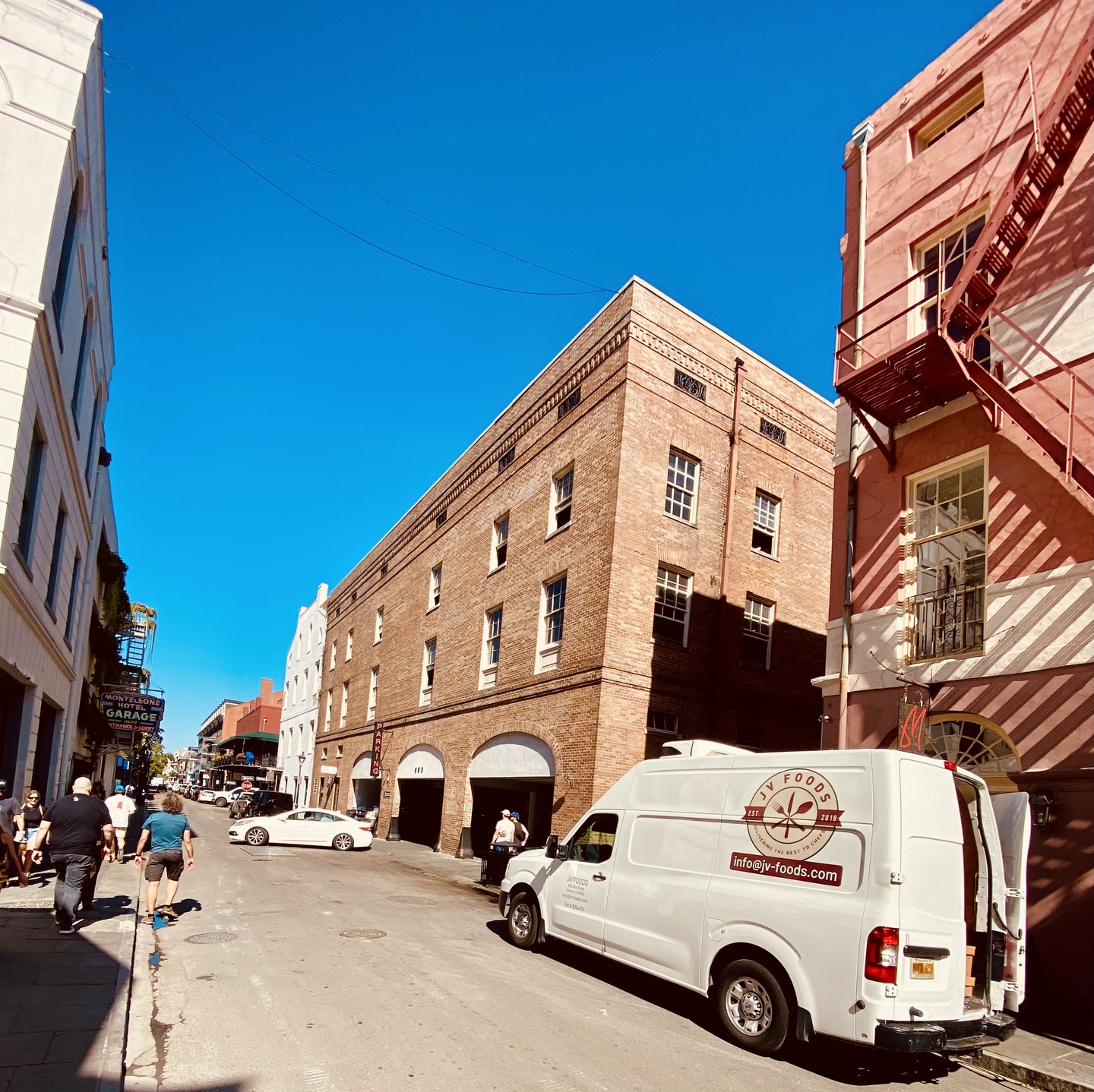
    <summary type="html"><![CDATA[<p><strong><em>It was the heart of where members debated the issues surrounding their trade. It was a place to get information, cast votes, and make plans. </em></strong></p><img src="https://mail.acadianahistorical.org/files/fullsize/95ff8ccd615041bd2f260fa2fe7859d3.jpg" alt="Now For Parking" /><br/><p>The location of the  Screwmen's Benevolent Association's meeting hall changed a few times over the decades. Contemporary newspapers made references to areas instead of specific addresses. Because the readers knew the layout of the city, a general reference to where a building was located often sufficed. The only concrete location I could find is on a Sanborn Fire Insurance map from 1876. </p><p>At this site the Screwmen’s Benevolent Association members gathered to discuss wages, working conditions, and disputes with employers along the New Orleans waterfront. Meetings likely also included the everyday business of the society, from collecting dues and assisting sick or injured members to providing financial support for widows and families of deceased screwmen.</p><p>The meeting hall was located at the corner of Exchange Place and Bienville. The map shows that the three-and-a-half story meeting hall was a brick building with wooden frame construction on the two outer walls, indicating that there was a porch surrounding sides of the building facing both Exchange Place and Bienville Streets. </p><p>In 1929 the Monteleone Hotel bought the building from the Screwmen’s Benevolent Association for $21,000.  The Monteleone family tore the building down. The hotel still owns this corner of the landscape. They constructed a parking garage where the Screwmen's Benevolent Association meeting hall once stood.</p><p><em><strong><a href="https://mail.acadianahistorical.org/items/show/189">For more (including 3 images) view the original article</a></strong></em></p>]]></summary>
    <published>2022-11-26T04:01:09+00:00</published>
    <updated>2026-10-11T20:32:02+00:00</updated>
    <link rel="alternate" type="text/html" href="https://mail.acadianahistorical.org/items/show/189"/>
    <id>https://mail.acadianahistorical.org/items/show/189</id>
    <author>
      <name>Laura M. Hughes</name>
    </author>
  </entry>
  <entry>
    <title type="html"><![CDATA[Site 4: Tchoupitoulas and Thalia — A Neighborhood Unites: Port Workers Unite on Tchoupitoulas and Thalia Streets]]></title>
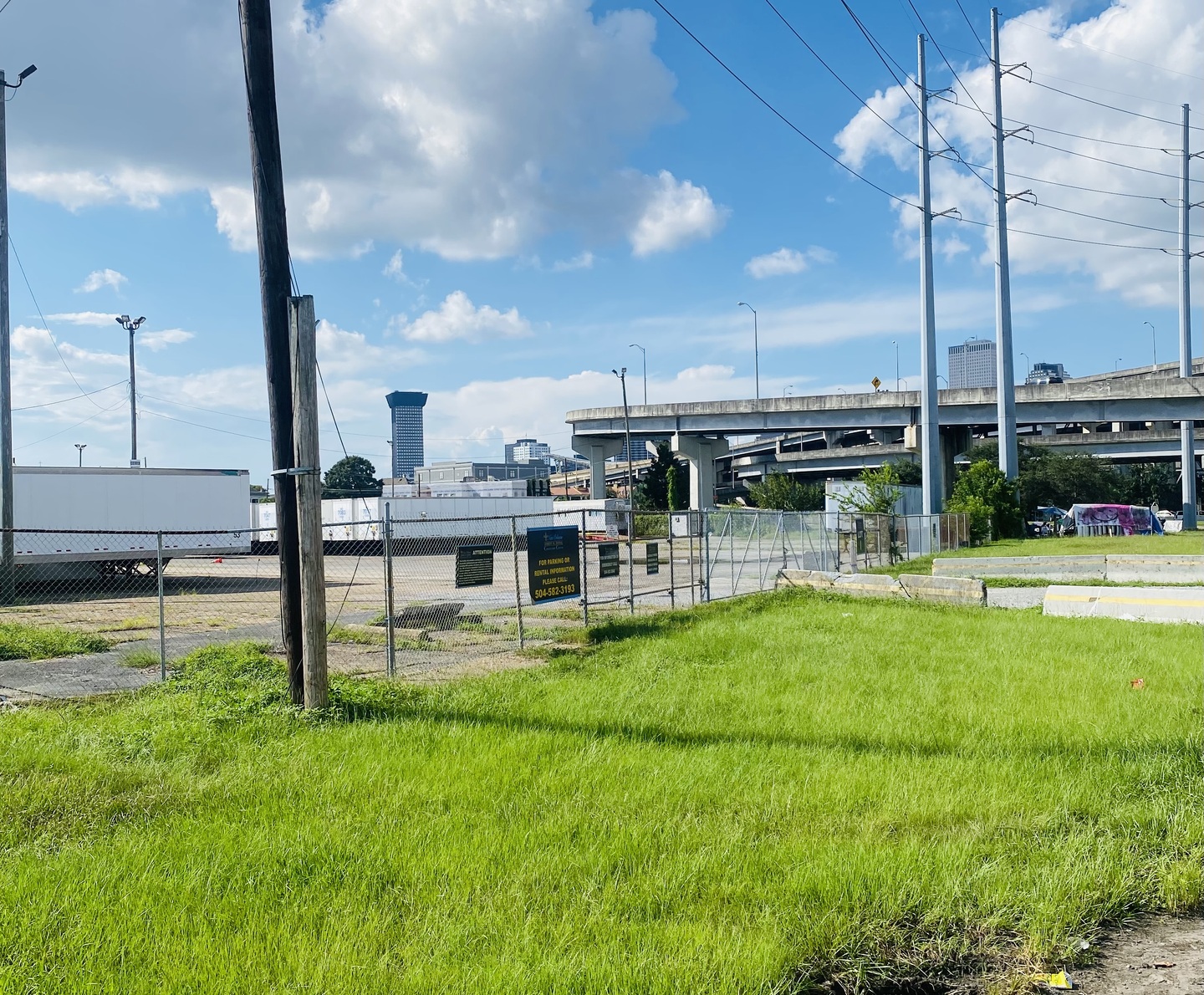
    <summary type="html"><![CDATA[<p><strong><em>On December 23, 1865, 600 longshoremen met at the corner of Tchoupitoulas and Thalia Streets to protest working conditions and discuss a wage increase.</em></strong></p><img src="https://mail.acadianahistorical.org/files/fullsize/861a3dd2343cc4b511482f73a96b3adf.jpg" alt="They Once Intersected" /><br/><p>On December 23, 1865, just two days after Black and White Screwmen put down their screws and enjoined in dockside protest against working conditions and wages, 600 longshoremen met on corner of Tchoupitoulas and Thalia Streets. Their goal was to unify and further their protest of working conditions and to demand a wage increase. Most of these port workers lived in this neighborhood, and as the neighborhoods in New Orleans had a strong sense of community, it made sense that they would gather where they lived.</p><p>The intersection where 600 waterfront workers once gathered has disappeared beneath a transformed landscape of highways and parking lots. Today, people experiencing homelessness seek shelter on the same ground where Black and White laborers once stood together demanding better lives. The people and circumstances have changed, but the questions of economics, opportunity, and human dignity remain.</p><p>Thalia and Tchoupitoulas Streets no longer intersect. Thalia Street diverts to the left and ends as a parking lot behind a series of small businesses. Today’s road system is more complicated, with multiple interchanges, grade separations, and green spaces where Thalia Street used to meet with Tchoupitoulas Street. It is impossible to imagine 600 dockworkers flooding through the grid-like streets at Christmas of 1865 to organize a labor strike.</p><p><em><strong><a href="https://mail.acadianahistorical.org/items/show/186">For more (including 5 images) view the original article</a></strong></em></p>]]></summary>
    <published>2022-11-26T02:23:32+00:00</published>
    <updated>2026-10-11T20:31:15+00:00</updated>
    <link rel="alternate" type="text/html" href="https://mail.acadianahistorical.org/items/show/186"/>
    <id>https://mail.acadianahistorical.org/items/show/186</id>
    <author>
      <name>Laura M. Hughes</name>
    </author>
  </entry>
</feed>