<?xml version="1.0" encoding="UTF-8"?>
<feed xmlns="http://www.w3.org/2005/Atom">
  <title type="text">Acadiana Historical</title>
  <updated>2026-10-11T20:31:15+00:00</updated>
  <generator uri="http://framework.zend.com" version="1.12.20">Zend_Feed_Writer</generator>
  <link rel="alternate" type="text/html" href="https://mail.acadianahistorical.org/"/>
  <link rel="self" type="application/atom+xml" href="https://mail.acadianahistorical.org/items/browse?output=rss2"/>
  <id>https://mail.acadianahistorical.org/</id>
  <author>
    <name>Acadiana Historical</name>
    <uri>https://mail.acadianahistorical.org</uri>
  </author>
  <link rel="hub" href="https://pubsubhubbub.appspot.com/"/>
  <entry>
    <title type="html"><![CDATA[Site 4: Tchoupitoulas and Thalia — A Neighborhood Unites: Port Workers Unite on Tchoupitoulas and Thalia Streets]]></title>
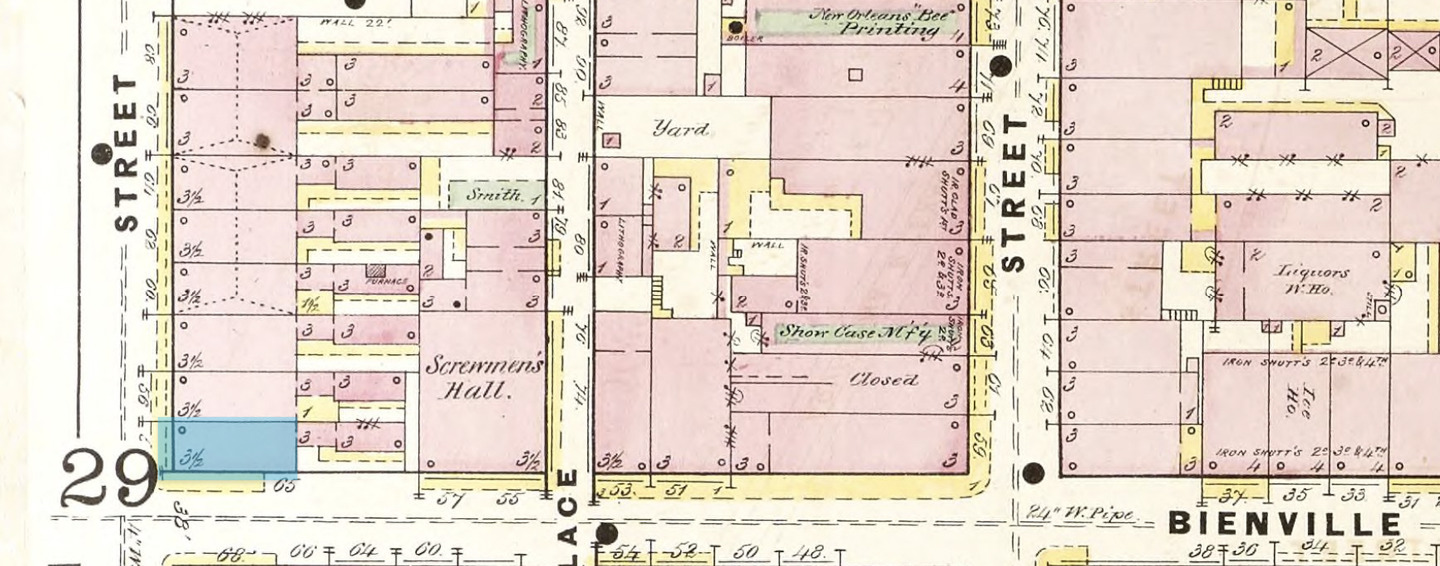
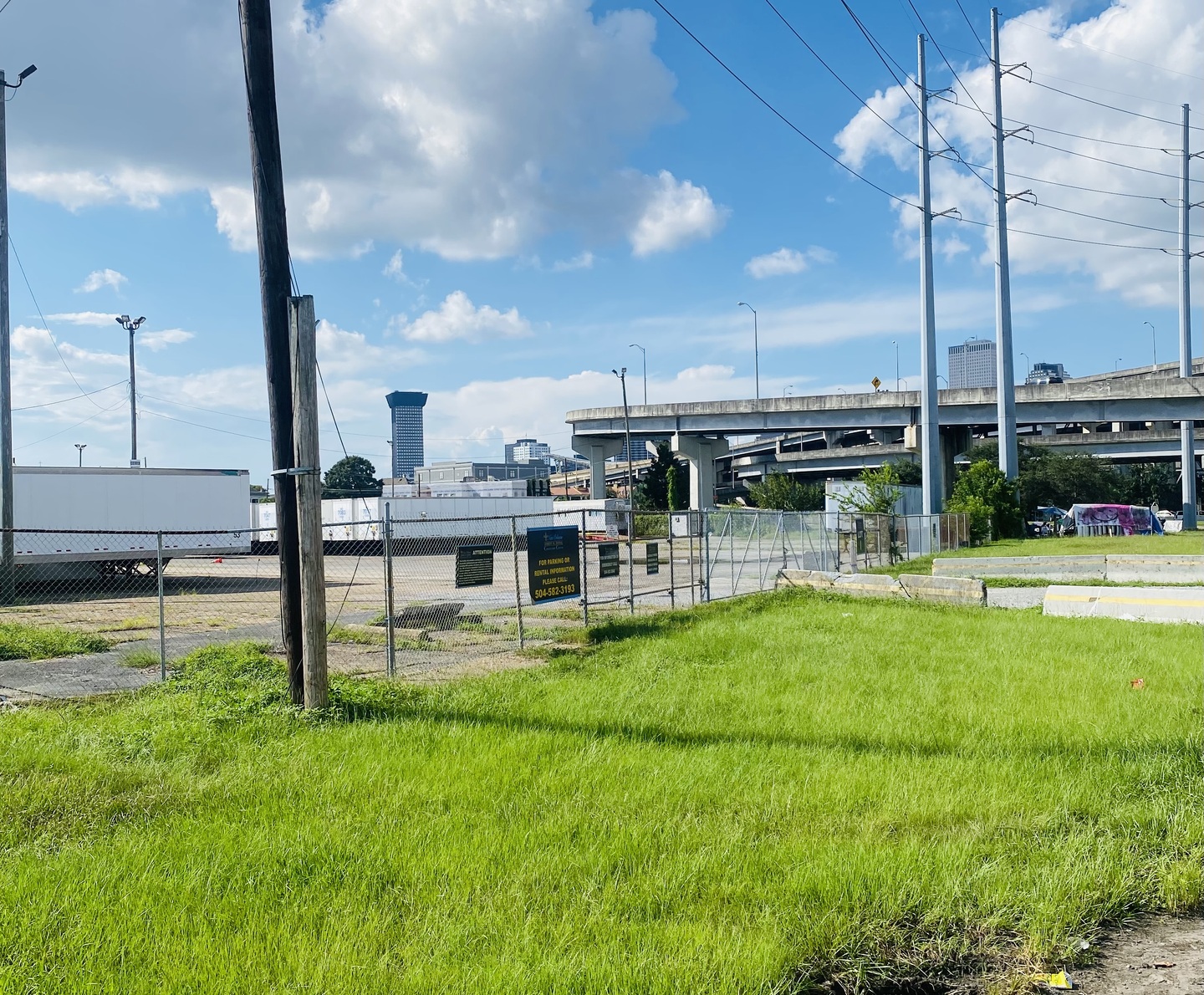
    <summary type="html"><![CDATA[<p><strong><em>On December 23, 1865, 600 longshoremen met at the corner of Tchoupitoulas and Thalia Streets to protest working conditions and discuss a wage increase.</em></strong></p><img src="https://mail.acadianahistorical.org/files/fullsize/861a3dd2343cc4b511482f73a96b3adf.jpg" alt="They Once Intersected" /><br/><p>On December 23, 1865, just two days after Black and White Screwmen put down their screws and enjoined in dockside protest against working conditions and wages, 600 longshoremen met on corner of Tchoupitoulas and Thalia Streets. Their goal was to unify and further their protest of working conditions and to demand a wage increase. Most of these port workers lived in this neighborhood, and as the neighborhoods in New Orleans had a strong sense of community, it made sense that they would gather where they lived.</p><p>The intersection where 600 waterfront workers once gathered has disappeared beneath a transformed landscape of highways and parking lots. Today, people experiencing homelessness seek shelter on the same ground where Black and White laborers once stood together demanding better lives. The people and circumstances have changed, but the questions of economics, opportunity, and human dignity remain.</p><p>Thalia and Tchoupitoulas Streets no longer intersect. Thalia Street diverts to the left and ends as a parking lot behind a series of small businesses. Today’s road system is more complicated, with multiple interchanges, grade separations, and green spaces where Thalia Street used to meet with Tchoupitoulas Street. It is impossible to imagine 600 dockworkers flooding through the grid-like streets at Christmas of 1865 to organize a labor strike.</p><p><em><strong><a href="https://mail.acadianahistorical.org/items/show/186">For more (including 5 images) view the original article</a></strong></em></p>]]></summary>
    <published>2022-11-26T02:23:32+00:00</published>
    <updated>2026-10-11T20:31:15+00:00</updated>
    <link rel="alternate" type="text/html" href="https://mail.acadianahistorical.org/items/show/186"/>
    <id>https://mail.acadianahistorical.org/items/show/186</id>
    <author>
      <name>Laura M. Hughes</name>
    </author>
  </entry>
  <entry>
    <title type="html"><![CDATA[Site 1: Jonte Equen&#039;s Home — The Birth of the Association: The Screwmen&#039;s Benevolent Association Organized]]></title>
    <summary type="html"><![CDATA[<p><strong><em>On the evening of November 18, 1850, 121 screwmen put down their jackscrews and emerged from the dark, cramped hulls that they had been toiling in since early that morning. They made their way down the main thoroughfare to the home of Jonte Equen on Royal Street, where they discussed the best means “of uniting for purposes of mutual aid, relief, and protection.”</em></strong></p><img src="https://mail.acadianahistorical.org/files/fullsize/ec443fc300918a5a2c6b56c28770b39d.jpg" alt="The Site on Sanborn" /><br/><p>A city adapts and adjusts to the growth of industry and each decade of change that it brings. As such, street names and building numbers change over the decades and centuries. In 1850, present-day Royal Street was named Casa Calvo. Jonte Equen’s home was at 51 Casa Calvo, which is now 300 Royal Street. </p><p>On November 18, 1850, after a long day compressing cotton bales into the holds of ships, 121 New Orleans screwmen gathered at the Royal Street home of Jonte Equen, near the Marigny neighborhood. They came to discuss forming an organization that would provide mutual aid, relief, and protection for men working one of the waterfront’s most demanding jobs.</p><p>Around November 25, 1850, eleven screwmen met to draft the bylaws of the Screwmen’s Benevolent Association and Equen’s home certainly continued to serve as an early gathering place for the organization.</p><p>Made up primarily of Irish and German immigrants, the association offered members support during illness, injury, and other hardships. It eventually became one of New Orleans’ most powerful labor organizations and helped establish organized labor on the city’s waterfront.</p><p>Equen’s home marks an important chapter in New Orleans labor history, when a group of waterfront workers came together to look after one another.</p><p>The home has long since been torn down and, is now a mid-1800s Greek Revival building with Creole commercial features. a wrought iron balcony located on the second floor, and the Royal Praline Company as a front facing tenant. Situated on the corner of Bienville and Royal Streets, the inside of the building is a far cry from what it must have been when it was Jonte Equen’s home. Bright and cheerful with large, tiled floors and yellow walls, the room boasts colorful confectionary; New Orleans’ delicacies such as beignet mix, chicory coffee, and of course, pralines. No one would ever guess that the first and strongest union in the South organized their association at the site where the Royal Praline Company now sits.</p><p><em><strong><a href="https://mail.acadianahistorical.org/items/show/183">For more (including 5 images) view the original article</a></strong></em></p>]]></summary>
    <published>2022-11-05T22:58:33+00:00</published>
    <updated>2026-10-11T20:30:11+00:00</updated>
    <link rel="alternate" type="text/html" href="https://mail.acadianahistorical.org/items/show/183"/>
    <id>https://mail.acadianahistorical.org/items/show/183</id>
    <author>
      <name>Laura M. Hughes</name>
    </author>
  </entry>
</feed>